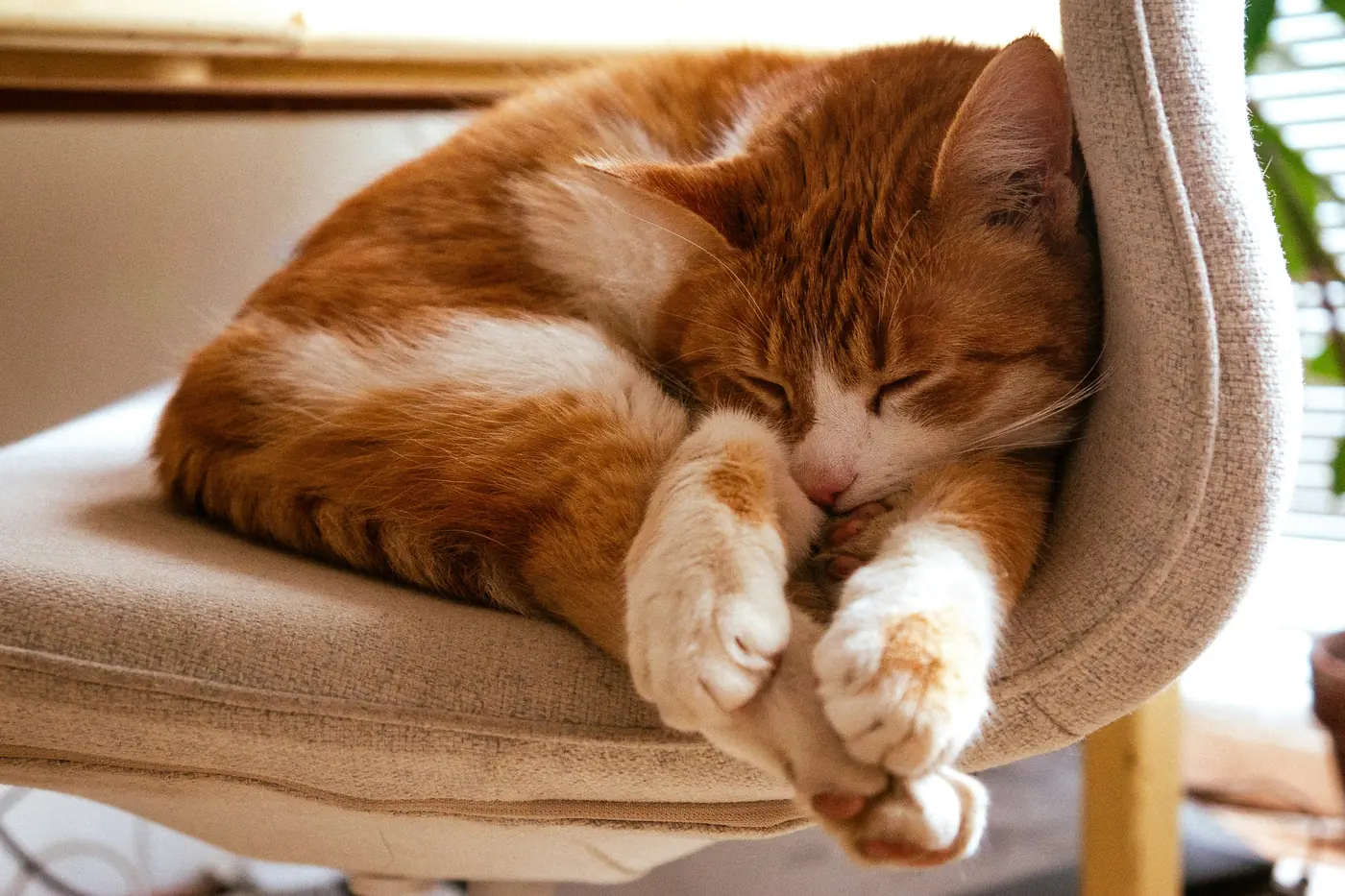
CKD & Lethargy & Weakness: The Energy Crisis
When a cat with Chronic Kidney Disease (CKD) sleeps all day, it is easy to dismiss it as "just getting old." But lethargy in CKD is not natural aging; it is a scream from the body that something is out of balance. It means your cat is running on empty—lacking the oxygen, fuel, or electrical signals needed to move.
The good news? Lethargy is rarely permanent. It is usually the sum of several treatable breakdowns. If you identify and fix the specific cause, you can often "wake up" your cat.
Here is the medical breakdown of why CKD cats lose their spark and the specific protocols to reignite it.
1. The "Internal Flu": Uremic Intoxication
-
The Cause: As the kidneys fail to filter, nitrogenous waste products (BUN, Creatinine, Indoxyl Sulfate) accumulate in the blood.
-
The Feeling: High BUN acts like a neurotoxin. It creates a sensation similar to a severe hangover or the flu. The cat feels foggy, nauseous, and physically heavy.
-
The Signs: The cat is "present but absent." They stare at walls, respond slowly to their name, and sleep in a tight, uncomfortable "meatloaf" position rather than relaxing on their side.
-
The Fix:
-
Fluid Therapy (Subcutaneous Fluids): This is the single most effective treatment for uremic lethargy. Injecting fluids under the skin dilutes the toxins and helps flush them out. Many owners report their cat acts years younger within an hour of receiving fluids.
-
Diet: Lowering protein intake (using a renal diet) reduces the production of nitrogen waste, lightening the toxic load.
-
2. The Oxygen Starvation: Anemia (Non-Regenerative)
-
The Cause: The kidneys produce a hormone called Erythropoietin (EPO), which tells the bone marrow to make red blood cells. Damaged kidneys stop making EPO.
-
The Feeling: Red blood cells carry oxygen. An anemic cat is chronically suffocating on a cellular level. Their muscles scream for oxygen after just a few steps to the litter box.
-
The Signs: Pale (white) gums, cold paws, eating litter (pica), and getting winded easily.
-
The Fix:
-
Darbepoetin (Aranesp): This is the modern gold standard. It is a weekly injection of synthetic EPO that jumpstarts the bone marrow. It is safer than older drugs (Epogen) because cats are less likely to develop antibodies against it.
-
Iron Supplementation: You cannot build a house without bricks. If you stimulate the marrow with Darbepoetin, you must provide Iron (dextran injection or oral liquid) to build the actual blood cells.
-
Rehmannia Root (Rehmannia glutinosa): In Traditional Chinese Medicine (TCM), Rehmannia is the primary herb for "Kidney Yin Deficiency." It is often used to support renal blood flow and is believed to help the body generate blood. It is commonly found in kidney-support blends (like Rehmannia Eight).
-
3. The "Broken Battery": Hypokalemia (Low Potassium)
-
The Cause: CKD cats lose massive amounts of potassium in their urine.
-
The Feeling: Potassium is the electrical spark that makes muscles contract. Without it, the muscles literally cannot fire. The cat feels like their limbs are made of lead.
-
The Signs:
-
Rear Limb Weakness: The cat walks with a wobble, crosses their back legs, or looks "plantigrade" (walking on their hocks/heels instead of toes).
-
Cervical Ventroflexion: The neck muscles are too weak to lift the head. The chin tucks into the chest.
-
-
The Fix:
-
Potassium Gluconate (Renal K+): A gel or powder supplement. It is gentle on the stomach and effectively raises blood potassium levels.
-
Potassium Citrate: If the cat also has acidosis (see below), this form is preferred because it fixes both the potassium and the acid balance.
-
4. The Muscle Waster: Metabolic Acidosis
-
The Cause: Acid buildup in the blood (low bicarbonate) because kidneys can't excrete it.
-
The Feeling: The body tries to neutralize the acid by breaking down its own muscle tissue. This catabolic state causes a deep, aching weakness and malaise. It is impossible to build strength when the body is dissolving its own muscles.
-
The Fix:
-
Alkalinizing Agents: Prescribed Potassium Citrate or Sodium Bicarbonate restores the pH balance, stopping the muscle burn and lifting the malaise.
-
5. The Energy Drain: Vitamin B Deficiency
-
The Cause: B-Vitamins are water-soluble. Because CKD cats urinate excessively (Polyuria), they flush these vitamins out before the body can absorb them.
-
The Feeling: Vitamin B12 (Cobalamin) and B1 (Thiamine) are critical for energy metabolism and appetite. A deficiency leads to a "crash" in energy and severe loss of appetite.
-
The Fix:
-
Injectable B12 (Cyanocobalamin or Methylcobalamin): This is superior to oral supplements for CKD cats because it bypasses the digestive system (which may be inflamed) and ensures 100% absorption. Weekly injections at home are painless and inexpensive.
-
Oral B-Complex: Supplements like Pet-Tinic provide a broad spectrum of B-vitamins and iron for daily support.
-
Summary Checklist for the Caretaker
If your cat is lethargic, do not just watch and wait. Go down this list:
-
Check Hydration: Is the skin tenting? Fix: Give SubQ fluids.
-
Check Gums: Are they pale? Fix: Ask vet for PCV test (Anemia) and start B12/Iron/Darbepoetin.
-
Check Walking: Is the cat walking on its heels? Fix: Start Potassium Gluconate immediately.
-
Check Appetite: Is the cat picking at food? Fix: B12 injections and anti-nausea meds.
References
-
Chalmers, S. A., et al. (2013). Erythropoietin-stimulating agents in cats. Veterinary Clinics: Small Animal Practice.
-
Dow, S. W., et al. (1989). Hypokalemia in cats: 186 cases. Journal of the American Veterinary Medical Association.
-
Ruaux, C. G. (2013). Cobalamin in companion animals: diagnostic marker, deficiency disorders and therapeutic implications. The Veterinary Journal.
-
Polzin, D. J. (2011). Chronic Kidney Disease in Small Animals. Veterinary Clinics: Small Animal Practice.
-
Wynn, S. G., & Fougère, B. J. (2007). Veterinary Herbal Medicine. Mosby.
