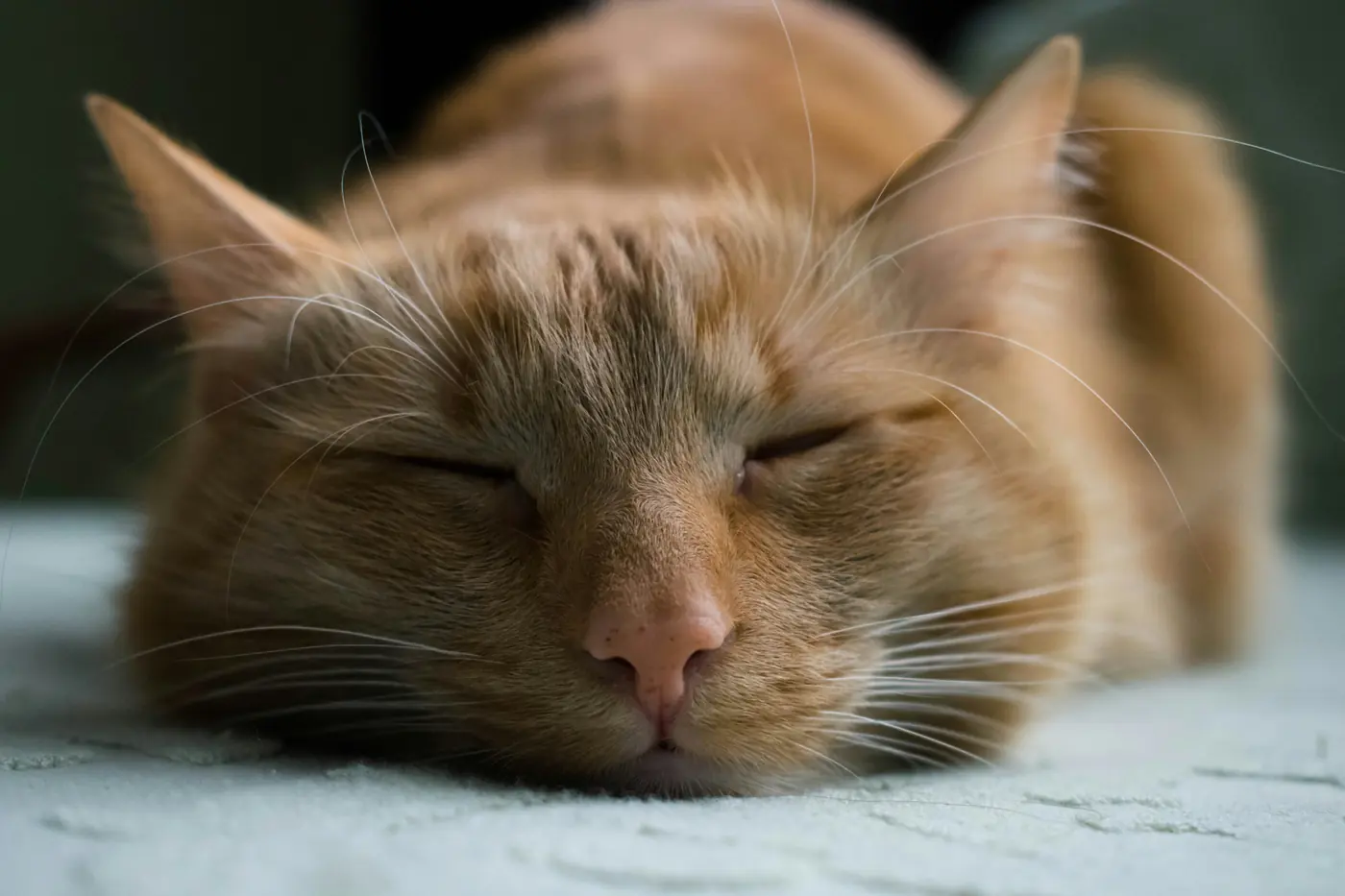
CKD & IBD: The Malnutrition Spiral
If Chronic Kidney Disease (CKD) is a wasting disease, Inflammatory Bowel Disease (IBD) is a starvation disease. When they occur together, the cat is caught in a vicious cycle: the kidneys waste protein, and the gut fails to absorb nutrients to replace it.
Managing this combination is one of the most difficult challenges in feline medicine because the treatments often conflict. Kidney diets can trigger IBD flares, and IBD treatments (like steroids) can impact kidney numbers.
Here is the deep technical breakdown of why the gut fails, how to distinguish it from cancer, and how to stabilize the weight loss.
The Physiology: Why the Gut Stops Working
IBD is not just "an upset stomach." It is the infiltration of the intestinal lining by immune cells.
1. Lymphoplasmacytic Enteritis
-
The Mechanism: The lining of the small intestine (mucosa) is normally a barrier. In IBD, the immune system mistakenly attacks dietary proteins or gut bacteria.
-
The Infiltration: White blood cells (Lymphocytes and Plasma cells) flood the intestinal wall. They physically crowd out the healthy cells.
-
Villous Atrophy: The intestine is lined with millions of tiny fingers called Villi that absorb nutrients. The inflammation blunts and flattens these fingers.
-
The Result: Malabsorption. You can feed the cat 500 calories a day, but if the villi are flat, they might only absorb 100. The rest passes through as diarrhea.
2. The "Leaky Gut" of CKD
-
Uremic Gastropathy: High urea levels in the blood act as a toxin to the gut lining, weakening the tight junctions between cells. This allows antigens (food particles/bacteria) to "leak" into the bloodstream, triggering more inflammation.
The Diagnostic Dilemma: IBD vs. Small Cell Lymphoma
This is the most critical question in a chronic vomiting cat. Is it inflammation (IBD) or is it cancer (Lymphoma)?
Low-grade Alimentary Small Cell Lymphoma (SCL) is essentially the "end stage" of chronic IBD. The inflammation becomes so severe that the cells mutate into cancer. They look almost identical on standard tests.
1. Ultrasound (The Screening Tool)
-
Wall Thickening: Healthy intestinal walls are thin (< 2.8mm). In IBD/Lymphoma, the muscularis layer thickens significantly.
-
Loss of Layering: A healthy gut has distinct layers (mucosa, submucosa, muscularis). In Lymphoma, these layers blur together.
2. Biopsy (The Gold Standard)
-
Endoscopic Biopsy: A camera down the throat. It only grabs the top layer (mucosa). It often misses Lymphoma if the cancer is deep in the muscle wall.
-
Full-Thickness Biopsy: Surgery to cut a piece of the intestine. This is the only way to be 100% sure, but anesthesia is risky for CKD cats.
-
PARR / PCR for Antigen Receptor Rearrangement: A molecular test on the biopsy sample to see if the cells are clones (cancer) or a mix (inflammation).
The B12 Crisis: Hypocobalaminemia
Cobalamin (Vitamin B12) is absorbed only in the distal small intestine (the Ileum). Since IBD attacks this specific area, most IBD/CKD cats are critically B12 deficient.
-
The Consequence: B12 is required for appetite and digestion. Low B12 causes Villous Atrophy (more flattening), creating a feedback loop of starvation.
-
The "Cobalaplex" Warning:
-
The Issue: Cobalaplex is a popular oral B12 supplement. However, it contains chicken flavor and yeast to make it palatable.
-
The Flare: In a cat with IBD, Chicken is the #1 allergen. Giving a chicken-flavored capsule to a chicken-allergic cat will trigger explosive diarrhea and vomiting, worsening the IBD flare.
-
The Fix: Always use Injectable Cyanocobalamin or pure B12 capsules without flavorings for IBD cats. It bypasses the gut inflammation and avoids the allergen trigger.
-
Treatment Protocol: The "Save the Gut" Strategy
1. Diet: The Impossible Choice
-
The Conflict:
-
Renal Diets: High fat, lower protein, often contain corn/wheat/soy (common allergens).
-
IBD Diets: Hydrolyzed protein (broken down so the body ignores it) or Novel Protein (Rabbit/Venison). These are often high in Phosphorus.
-
-
The Strategy: Treat the IBD First. A cat with diarrhea cannot absorb any nutrition. Feed the Hydrolyzed/Novel protein diet to stop the inflammation. Use Phosphorus Binders (like Aluminum Hydroxide) to protect the kidneys from the higher phosphorus levels.
2. Immunosuppression
-
Prednisolone (The Steroid):
-
Action: It kills the inflammatory cells in the gut wall.
-
CKD Safety: It is generally safe for kidneys but can cause fluid retention (monitor heart) and diabetes. It creates "false thirst" and hunger.
-
-
Chlorambucil (The Chemo):
-
Usage: Used for Small Cell Lymphoma or severe, steroid-resistant IBD.
-
Protocol: Usually a pill given once every 2 weeks. It is surprisingly well-tolerated in cats compared to humans and is often the "magic bullet" that stops the vomiting when steroids fail.
-
3. Gut Protection
-
Sucralfate (Carafate):
-
Action: Coats the erosions (ulcers) caused by uremic toxins and inflammation.
-
Timing: Must be given on an empty stomach, 2 hours apart from food/meds.
-
-
Famotidine (Pepcid AC):
-
Action: H2 blocker. Reduces stomach acid to prevent bilious vomiting (throwing up yellow foam).
-
4. Holistic Support: Slippery Elm Bark
-
Action: A demulcent. When mixed with water, it forms a mucilage (gel) that physically coats the inflamed intestines, soothing the "burn" of IBD.
-
Safety: Safe for CKD, but like Sucralfate, it can block absorption of meds. Separate by 2 hours.
Summary for the Caretaker
If your CKD cat has chronic vomiting or soft stool, it is likely IBD, not just "toxins."
-
Check B12: Ask for a Cobalamin blood test. If low, start injections (avoid flavored oral pills).
-
Ultrasound: Distinguish between inflammation and cancer.
-
Diet Priority: A hydrolyzed diet with a phosphorus binder is often better than a renal diet that causes diarrhea.
-
The Steroid Question: Do not fear Prednisolone. In IBD cats, it is often the only thing that allows them to absorb food and maintain weight.
References
-
Simpson, K. W., & Jergens, A. E. (2011). Pitfalls and progress in the diagnosis and management of canine and feline IBD. Veterinary Clinics: Small Animal Practice.
-
Norsworthy, G. D., et al. (2013). Diagnosis of chronic small bowel disease in cats: 100 cases (2008–2012). Journal of the American Veterinary Medical Association.
-
Ruaux, C. G. (2013). Cobalamin in companion animals: diagnostic marker, deficiency disorders and therapeutic implications. The Veterinary Journal.
-
Marsilio, S. (2021). Differentiating Inflammatory Bowel Disease from Alimentary Lymphoma in Cats: Does It Matter? Veterinary Clinics: Small Animal Practice.
