My CKD Cat Won’t Eat: The Crisis Guide
There is no phrase more terrifying to a CKD caregiver than "he turned his nose up at breakfast."
In a healthy cat, skipping a meal is annoying. In a CKD cat, it is a medical emergency. Anorexia (refusal to eat) or Hyporexia (eating less than needed) is the primary reason CKD cats are euthanized. It is not always the kidney failure itself that ends the life; it is the starvation and weakness that follows.
The Golden Rule: Fed is Best. In a crisis, a cat eating cheap supermarket trash is better than a cat eating nothing. Calories sustain life; renal diets can wait until the crisis is over.
Here is the comprehensive protocol to diagnose why they aren't eating and how to get them back to the bowl.
Step 1: Identify the "Why" (It’s Rarely Just Pickiness)
Cats are not stubborn; they are survivalists. If they stop eating, they feel sick. In CKD, the cause is usually one of three things:
-
Uremic Nausea (The Hangover): High toxin levels (BUN/Creatinine) trigger the Chemoreceptor Trigger Zone (CRTZ) in the brain. The cat feels like they have a severe, permanent hangover.
-
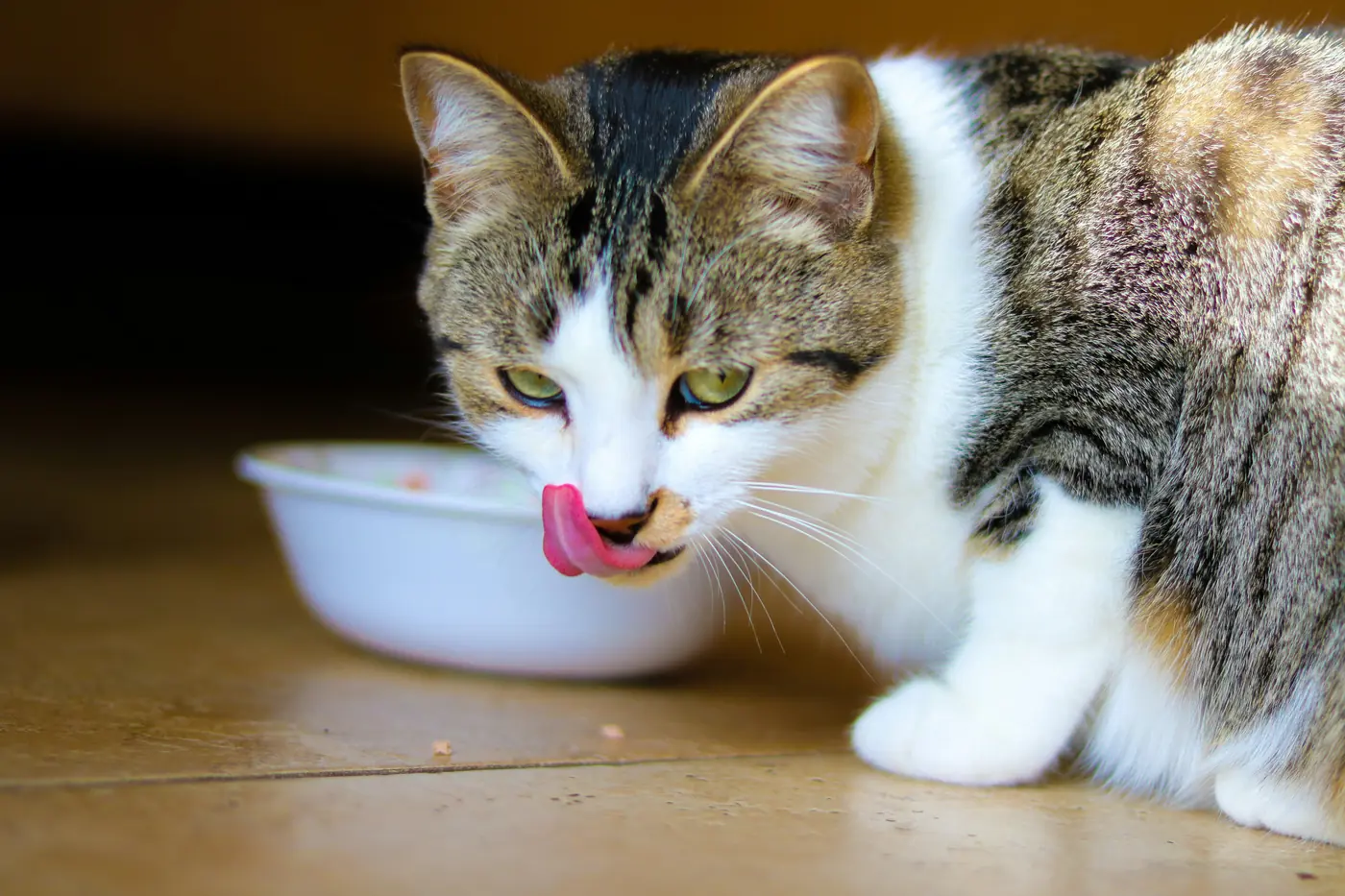
The Sign: They approach the bowl, sniff it with interest, then lick their lips, turn away, and maybe sit hunched over. This is the "I want to eat but I feel like I'm going to throw up" sign.
-
-
Gastric Hyperacidity (The Burn): Uremic toxins cause the stomach to produce excess acid (Gastrin).
-
The Sign: Vomiting clear or white foam (often in the early morning), lip smacking, or grinding teeth.
-
-
Dehydration (The Dryness): If a cat is dehydrated, the gut slows down (Ileus). A stagnant gut feels full and nauseous.
-
The Sign: Tacky gums, skin tenting, and small/dry stools.
-
Step 2: The Nausea Protocol (Treat Before You Feed)
You cannot stimulate an appetite if the cat feels like vomiting. Giving an appetite stimulant to a nauseous cat is like forcing someone with the flu to eat a buffet, it creates food aversion. You must treat the nausea first.
A. The Anti Emetic (Stops Vomiting)
-
Cerenia (Maropitant):
-
Action: Blocks Substance P in the brain (the vomit center). It is excellent at stopping active vomiting.
-
Limitation: It is less effective at treating the sensation of nausea. A cat on Cerenia might stop throwing up but still feel too sick to eat.
-
Tip: The injectable form stings less if refrigerated. The pill form can be bitter; wrap it in a pill pocket.
-
B. The Anti Nausea (Stops the Queasiness)
-
Ondansetron (Zofran):
-
Action: Blocks Serotonin (5 HT3) receptors in the gut and brain. This is the "gold standard" for chemotherapy nausea in humans and uremic nausea in cats.
-
Why it wins: It stops the feeling of sickness. Many cats will start eating 30 minutes after a dose.
-
Dosage: Typically given every 8–12 hours. It causes constipation, so monitor the litter box.
-
Strategy: Use Both. Cerenia and Ondansetron work on different receptors. In severe crises, vets often prescribe them together.
-
C. The Antacid (Soothes the Burn)
-
Famotidine (Pepcid AC):
-
Action: An H2 blocker that reduces stomach acid production.
-
Usage: Best for cats who vomit white foam in the morning ("bilious vomiting syndrome").
-
Caution: Continued use can lose effectiveness over time. It is best used for flare ups.
-
Step 3: The Appetite Stimulants (The Jumpstart)
Once the nausea meds are on board (wait ~30–60 mins), you can use a stimulant to trigger the hunger signal.
A. Mirtazapine (Mirataz)
-
Action: Increases serotonin and norepinephrine, triggering a strong appetite and reducing nausea slightly.
-
Forms:
-
Transdermal Ointment (Mirataz): A game changer. You rub a 1.5 inch strip inside the cat's ear. No pilling required.
-
Tablet: Older generic pills are very potent.
-
-
Side Effects: "Serotonin Syndrome." The cat may become vocal (howling), restless, or overly affectionate. This usually wears off in 12–24 hours. Reduce the dose if this happens.
B. Capromorelin (Entyce / Elura)
-
Action: Mimics Ghrelin, the "hunger hormone."
-
Usage: A liquid oral solution. It is extremely potent.
-
Caution: It tastes terrible to some cats, causing drooling. It should be used with caution in cats with heart disease.
Step 4: The Feeding Strategy (The "Buffet")
Now that the cat is medicated, how do you get them to eat?
1. The "Smell" Factor
-
CKD cats often have a dulled sense of smell.
-
Warm the food: 10 seconds in the microwave (stir well to avoid hot spots) releases the aromas.
-
The "Plate" Technique: Do not use a deep bowl. Use a flat saucer or paper plate to prevent "Whisker Fatigue" (sensitive whiskers touching the sides).
2. The Texture Rotation
-
CKD changes preferences. A pate lover might suddenly want chunks.
-
Offer options: Put a teaspoon of 3 different foods on one plate (The Buffet).
-
Hydration: Add warm water to make a "slurry" or soup. Many CKD cats prefer to lap their food.
3. The Toppers (The Bribes)
-
Bonito Flakes: Dried tuna flakes (check for no salt).
-
Nutritional Yeast: A cheesy, nutty flavor many cats love.
-
FortiFlora: A probiotic powder that is essentially "cat crack" due to the animal digest coating. Sprinkle it on top.
-
Baby Food: Meat only (Chicken/Turkey/Ham) baby food. Check labels: Must contain NO onion or garlic powder (toxic).
4. The "Sleep Eating" Instinct
-
The Trick: Catch them while they are groggy. When a cat first wakes up from a nap or deep sleep, their nausea signals may not be fully active yet.
-
The Action: Place a small amount of fresh, smelly food right under their nose the moment they open their eyes. Many cats will instinctively start eating before their brain "remembers" they don't feel well. This can trigger the digestion process and build momentum for the rest of the day.
Step 5: Holistic Support (Soothing the Gut)
Slippery Elm Bark (SEB)
-
Action: When mixed with water, it becomes a mucilage (gel) that coats the stomach and esophagus, soothing acid burns and ulcers.
-
Preparation: Mix powder with cold water, then boil until it thickens into a syrup.
-
Usage: Syringe 3–5ml of the syrup before a meal.
-
Rule: Give it 2 hours apart from other medications, as the coating can prevent drug absorption.
Elevated Bowls
-
Why: Many CKD cats have acid reflux. Eating with their head down causes acid to flow up the esophagus.
-
Fix: Raise the bowl 3–4 inches so the mouth is level with the stomach. Gravity helps keep the acid down.
Summary Checklist for the Caretaker
If your cat won't eat:
-
Check Hydration: If they are dehydrated, give SubQ fluids first.
-
Treat Nausea: Give Ondansetron (and/or Cerenia). Wait 30 minutes.
-
Offer the Buffet: Warm, smelly, easy to lap food.
-
Stimulate: If they still refuse, apply Mirataz to the ear.
-
The "Crash" Rule: If they go 24 hours with zero food, this is an ER visit. Do not wait for the weekend to end.
References
-
Quimby, J. M., et al. (2013). Mirtazapine as an appetite stimulant and anti emetic in cats with chronic kidney disease. The Veterinary Journal.
-
Sparkes, A. H., et al. (2016). ISFM Consensus Guidelines on the Diagnosis and Management of Feline Chronic Kidney Disease. Journal of Feline Medicine and Surgery.
-
Hickman, M. A. (2019). Feeding the anorexic cat. Veterinary Clinics: Small Animal Practice.
