Why CKD Cats Crave Kibble (Even When It’s Not Ideal)
It is a scenario every CKD caregiver knows too well. Your cat, who has been dutifully eating high-moisture wet food for years, suddenly falls ill. Maybe it’s a uremic flare-up, maybe an infection. They turn their nose up at the expensive therapeutic pâté, but the moment you shake a bag of dry kibble, they come running.
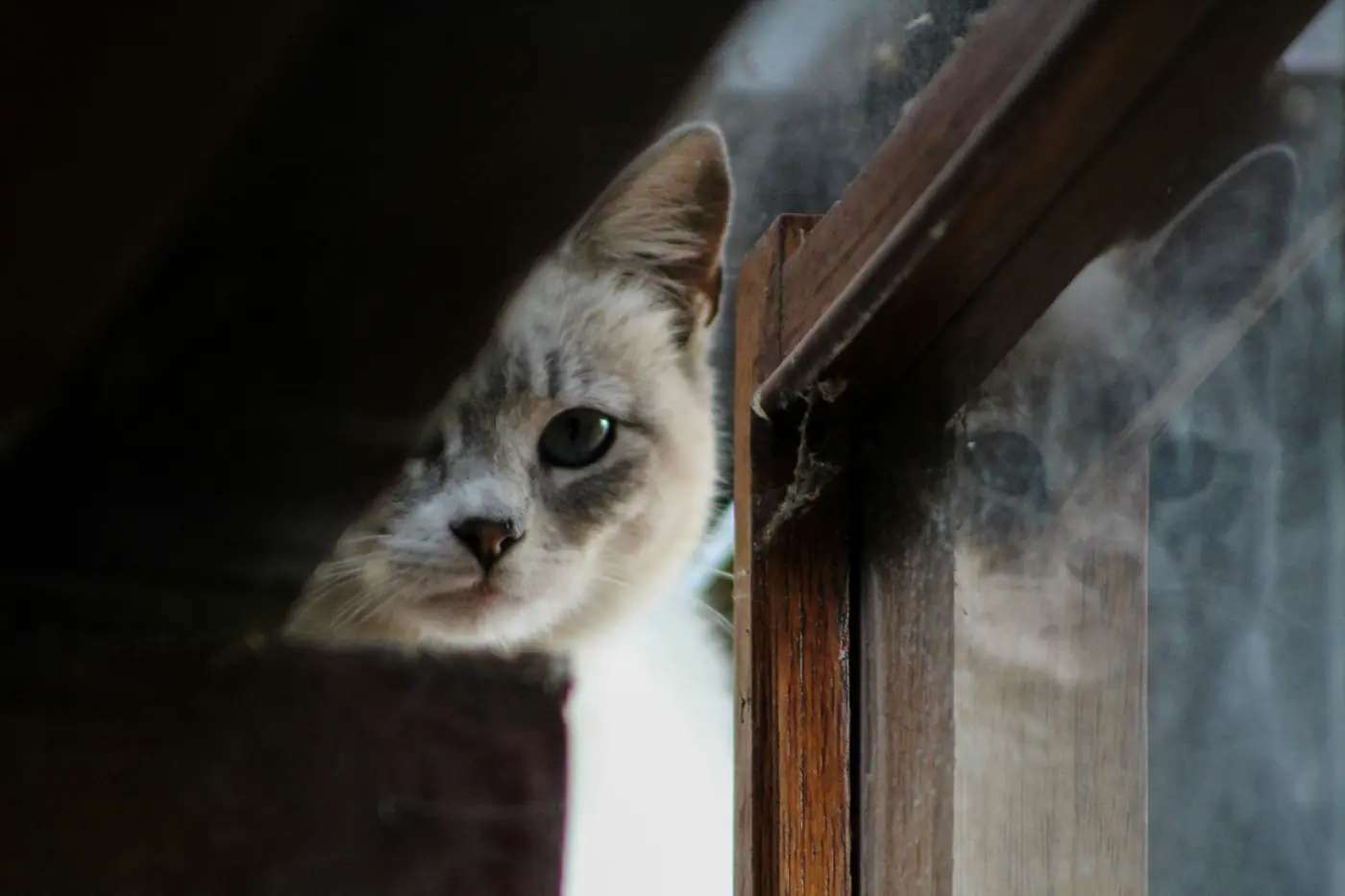
My own cat, GiGi, lived almost her entire life on wet food. Yet, when nausea hit, the only thing she would consistently nibble was kibble. She is not alone. Science tells us that this isn't just a "bad habit". It is a combination of sensory engineering, survival instinct, and texture preference that makes dry food the "comfort food" of the feline world.
Here is the science behind the craving.
1. Palatability Engineering: The "Perfume" of Food
Kibble is not just baked dough; it is an engineered delivery system for flavor.
-
The Coating Process: As discussed in the previous section, the core of a kibble nugget is often bland starch and protein meal. To make a carnivore eat this, manufacturers spray the finished pellets with Animal Fat and Digests.
-
What is "Digest"? This is animal tissue that has been enzymatically hydrolyzed (broken down) into a liquid. This process releases free amino acids and small peptides that mimic the smell of decomposing meat, a scent that triggers a primal appetite response in cats.
-
The CKD Factor: CKD cats often suffer from Dysrexia (abnormal appetite) and a dulled sense of smell due to uremic toxins. The intense, concentrated aroma of the "digest" spray can cut through the uremic fog better than the subtle scent of a wet pâté.
2. Texture and Mouthfeel: The "Crunch" Factor
For a nauseous cat, texture is just as important as taste.
-
The Maillard Reaction: The high heat of extrusion creates Maillard reaction products (browning). These compounds provide a savory taste distinct from raw or boiled meat.
-
Sensory Feedback: The "crunch" of kibble provides immediate sensory feedback.
-
The Aversion to "Sticky": Wet food, especially pâté, can be sticky. For a cat with a dry mouth (Xerostomia), a common symptom of dehydration in CKD, sticky food can be physically difficult to manipulate and swallow. Kibble fractures easily and doesn't stick to the roof of the mouth, making it less exhausting to eat.
3. Energy Density: The Survival Instinct
Cats are efficient survivors. When they feel weak, their biology drives them toward the most calories for the least effort.
-
The Calorie Math:
-
Wet Food: ~75% water. You must eat a large volume to get full.
-
Kibble: ~10% water. It is a calorie bomb.
-
-
The Efficiency: A CKD cat with a small stomach capacity or low energy knows that a few mouthfuls of kibble provide the same energy as a whole bowl of wet food. It is the path of least resistance.
4. The "Primacy Effect": Hardwired Habits
Cats are susceptible to Food Imprinting (the Primacy Effect).
-
The Critical Window: What a kitten eats between 2 and 6 months of age largely determines their preferences for life. If a cat was weaned on kibble, they recognize "crunchy pellets" as the definition of "food."
-
Stress Regression: When an animal is stressed or ill, they regress to their most ingrained habits. Even if your cat has eaten wet food for years, the stress of illness may send them defaulting back to their "original" comfort food: kibble.
5. Why It Matters for CKD (The Trade-Off)
While we understand why they want it, we must acknowledge the medical downsides.
-
The Hydration Tax: Every gram of kibble requires the body to donate water to digest it. For a CKD cat that is already effectively "leaking" water through their kidneys, a dry diet accelerates dehydration.
-
The Phosphorus Density: Because kibble requires starch to bind, the protein source is often a concentrated "meal" (like chicken meal) which can be higher in bone phosphorus than the fresh meat used in wet food.
Summary for the Caretaker
The goal is to balance the ideal (wet food) with the reality (the cat must eat).
-
Fed is Best: A CKD cat that starves will develop Hepatic Lipidosis (Fatty Liver) within days. If kibble is the only thing they will eat during a crisis, feed the kibble.
-
The "Topper" Strategy: Use the powerful aroma of kibble to your advantage. Crush a few pellets into a fine powder and sprinkle it over the wet food (the "salt shaker" method). This gives the flavor signal of kibble while maintaining the hydration of wet food.
-
Hydrate Externally: If your cat insists on a dry diet, you must compensate with Subcutaneous Fluids or by adding hydra-care supplements to their routine.
References
-
Bradshaw, J. W. (2006). The evolutionary basis for the feeding behavior of domestic dogs and cats. The Journal of Nutrition.
-
Pickering, G. J. (2009). Optimizing the sensory characteristics and acceptance of animal foods. Pet Food Technology.
-
Zoran, D. L. (2002). The carnivore connection to nutrition in cats. Journal of the American Veterinary Medical Association.
-
Hand, M. S., et al. (2010). Small Animal Clinical Nutrition. Mark Morris Institute.
-
Hullar, I., et al. (2001). Factors influencing the food preference of cats. Journal of Animal Physiology and Animal Nutrition.
