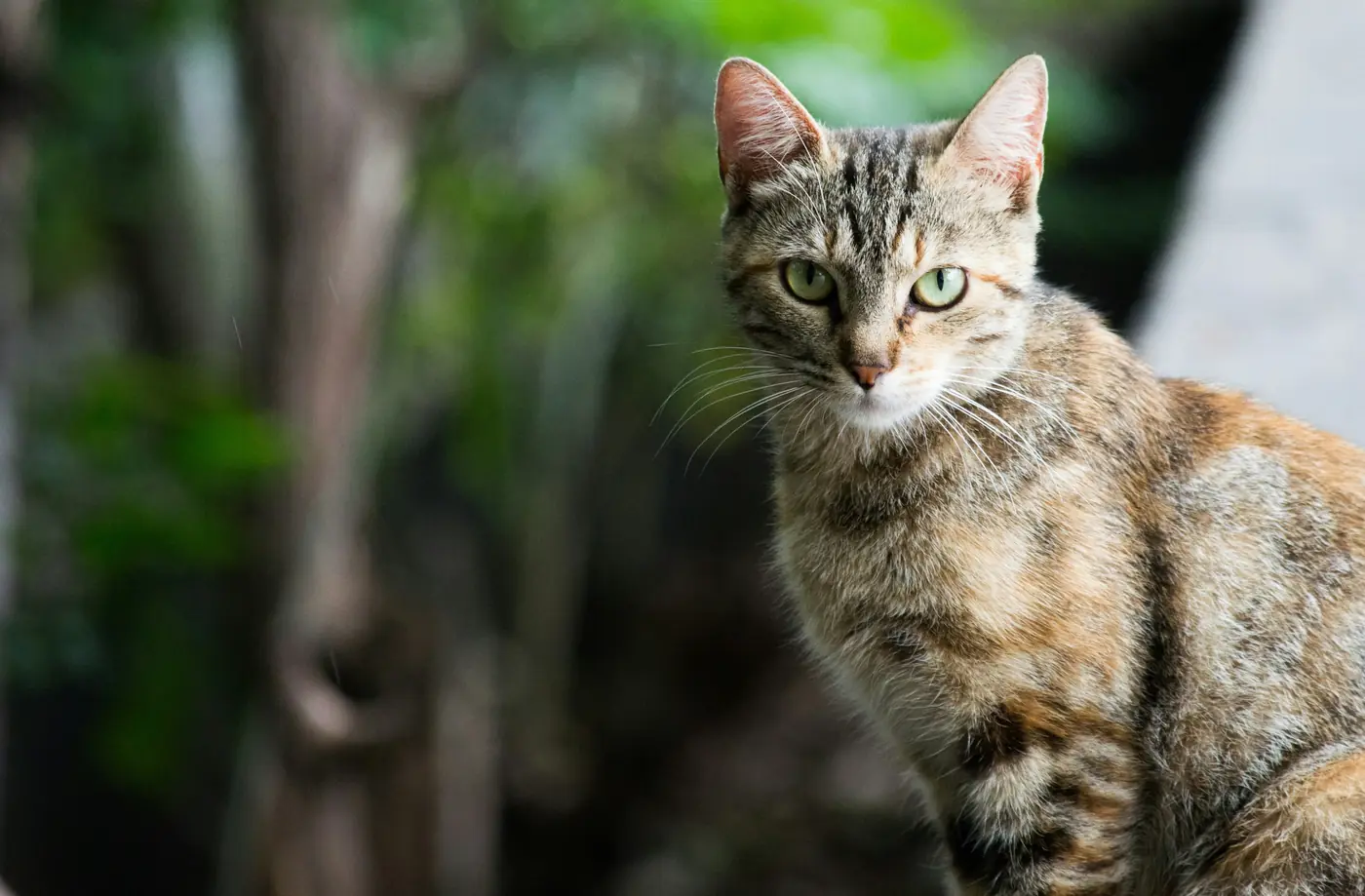
The Silent Killer: Managing Weight Loss and Sarcopenia in Feline CKD
For the dedicated caretaker, few things are as distressing as watching a cat with Chronic Kidney Disease (CKD) slowly fade away. You follow the renal diet protocols, you administer fluids, yet the spine becomes prominent, the thigh muscles thin, and the weight drops.
This phenomenon is not merely "weight loss"; it is often a combination of Sarcopenia (age-related muscle loss) and Cachexia (disease-driven muscle wasting). In CKD, the body enters a catabolic state where it begins to consume its own muscle mass for amino acids because it cannot utilize dietary protein efficiently or because intake is suppressed by uremic nausea.
Addressing this requires a shift from simple "calorie counting" to metabolic intervention. Here is the medical protocol for stabilizing body condition in the wasting CKD patient.
1. Differential Diagnosis: Is It Just the Kidneys?
Before assuming the weight loss is solely due to renal progression, you must rule out the most common comorbidity: Feline Hyperthyroidism.
The Mechanism: Hyperthyroidism increases the metabolic rate, effectively putting the cat's body into "overdrive." This causes rapid weight loss despite a ravenous appetite (polyphagia).
-
The Masking Effect: Hyperthyroidism increases blood flow to the kidneys, artificially lowering Creatinine levels. This can make Stage 3 CKD look like Stage 2.
-
The Action: Request a Total T4 and Free T4 panel. Treating the thyroid (via methimazole or I-131) will reveal the true state of the kidneys, but it stops the hypermetabolic wasting (Peterson, 2012).
2. The Protein Paradox: Quality vs. Restriction
Renal diets are restricted in protein to lower BUN (Blood Urea Nitrogen) and phosphorus. However, excessive restriction leads to Negative Nitrogen Balance.
The Physiology of Wasting: When a carnivore does not ingest enough essential amino acids, the body activates Gluconeogenesis, breaking down skeletal muscle to liberate amino acids for energy and repair. This is why CKD cats develop the characteristic "bony spine."
The Protocol:
-
Do Not Restrict Prematurely: In IRIS Stages 1 and 2, protein restriction is contraindicated if it leads to muscle loss. The goal is Modified Protein Intake, feeding highly bioavailable animal protein (Egg, Chicken, Rabbit) that produces minimal nitrogenous waste (Laflamme, 2018).
-
The Binder Strategy: If your cat is losing muscle on a renal diet, consult your vet about adding a high-quality protein source (like egg whites or plain chicken) and using a Phosphorus Binder (Aluminum Hydroxide) to mitigate the phosphorus load. This prioritizes muscle maintenance without sacrificing kidney safety (Geddes et al., 2016).
3. Therapeutic Supplementation: AminAvast and Amino B-Plex
Diet alone is often insufficient to reverse cachexia. We must support the cellular machinery.
AminAvast (AB070597): Mitochondrial Support AminAvast is a proprietary blend of amino acids and a peptide (AB070597) designed to support renal tubular cell health.
-
Mechanism: It targets the Mitochondria within the kidney cells. The kidneys have one of the highest metabolic rates in the body; when mitochondria fail, cells die (apoptosis).
-
Ingredients:
-
L-Arginine: A precursor to Nitric Oxide, which helps maintain renal blood flow and lower glomerular pressure.
-
Glycine & L-Glutamine: Support gluconeogenesis and acid-base balance, protecting the kidneys from ammonia toxicity.
-
-
Evidence: Clinical studies suggest that this specific peptide blend can stabilize Creatinine and SDMA levels while improving coat condition and appetite (Hall et al., 2018). It essentially acts as a "shield" for the nephrons against oxidative stress.
Amino B-Plex: Systemic Support While AminAvast targets the kidney cells, Amino B-Plex targets the systemic consequences of CKD.
-
B-Vitamin Complex: CKD cats are polyuric (pee excessively), causing a massive washout of water-soluble vitamins (B1, B2, B6, B12). Deficiency leads to anorexia and non-regenerative anemia. Supplementation is mandatory.
-
L-Carnitine: This amino acid is critical for transporting fatty acids into the mitochondria to be burned for energy. It is essential for maintaining lean muscle mass during states of catabolism.
-
Potassium & Iron: Supports electrolyte balance and red blood cell production, combating the lethargy that leads to low food intake.
The Synergy: Using these two together covers both bases: AminAvast protects the renal structure, while Amino B-Plex fuels the metabolic engine to prevent wasting.
4. Caloric Strategy: Avoiding "Empty" Calories
When a cat stops eating, panic sets in. Caretakers often reach for high-calorie gels (like Nutri-Cal or Clinicare).
The Problem: Most calorie gels are comprised of Corn Syrup, Malt Syrup, or Soybean Oil.
-
Inflammation: High-glycemic sugars spike insulin, which is pro-inflammatory. CKD is already an inflammatory state.
-
Osmotic Diarrhea: Concentrated sugars can draw water into the gut, causing diarrhea and worsening dehydration.
The Solution:
-
Weruva Wx Phos Focused: A high-protein, ultra-low phosphorus puree that serves as a calorie-dense topper without the carb load.
-
Fat Sources: Use Egg Yolk (if phosphorus is managed) or Duck Fat for calories. Cats metabolize fat efficiently; they do not metabolize corn syrup efficiently (Zoran, 2002).
5. Ancillary Support: Omega-3s and B12
Omega-3 Fatty Acids (EPA/DHA)
-
Mechanism: Eicosapentaenoic Acid (EPA) competes with Arachidonic Acid to reduce the production of inflammatory cytokines.
-
Benefit: Studies consistently show that CKD cats supplemented with fish oil survive longer. It reduces glomerular capillary pressure and preserves GFR (Plantinga et al., 2005).
Cobalamin (Vitamin B12)
-
Mechanism: B12 is absorbed in the ileum and stored in the liver, but CKD cats often have subclinical gastrointestinal disease (IBD/Lymphoma) that impairs absorption.
-
Action: If your cat is losing weight despite eating, request a Cobalamin/Folate blood test. B12 injections are inexpensive and can dramatically reverse appetite loss and muscle wasting (Ruaux et al., 2005).
Summary for the Caretaker
Weight loss in CKD is a red alert. It signifies that the cat is catabolizing its own body to survive. Do not wait for Creatinine to spike to address it.
-
Rule Out Hyperthyroidism: T4 test.
-
Aggressive Supplementation: Start AminAvast to protect the nephrons and Amino B-Plex to replace lost vitamins and support energy metabolism.
-
Prioritize Muscle: Feed high-quality animal protein with binders if necessary.
-
Avoid Sugar: Use fat and protein for calories, not syrup.
References
-
Freeman, L. M. (2012). Cachexia and sarcopenia: emerging syndromes of importance in dogs and cats. Journal of Veterinary Internal Medicine.
-
Peterson, M. E. (2012). Hyperthyroidism in cats: what's causing this epidemic of thyroid disease and can we prevent it? Journal of Feline Medicine and Surgery.
-
Laflamme, D. P. (2018). Nutritional management of chronic kidney disease in cats and dogs. Veterinary Clinics: Small Animal Practice.
-
Geddes, R. F., et al. (2016). Control of phosphate balance in chronic kidney disease. Journal of Veterinary Internal Medicine.
-
Hall, J. A., et al. (2018). Effects of dietary ingredients on serum metabolomics in cats with chronic kidney disease. Metabolites.
-
Zoran, D. L. (2002). The carnivore connection to nutrition in cats. Journal of the American Veterinary Medical Association.
-
Plantinga, E. A., et al. (2005). Retrospective study of the survival of cats with acquired chronic renal insufficiency offered different commercial diets. Veterinary Record.
-
Ruaux, C. G., et al. (2005). Cobalamin in companion animals: Diagnostic marker, therapeutic target and protein-binding. The Veterinary Journal.
