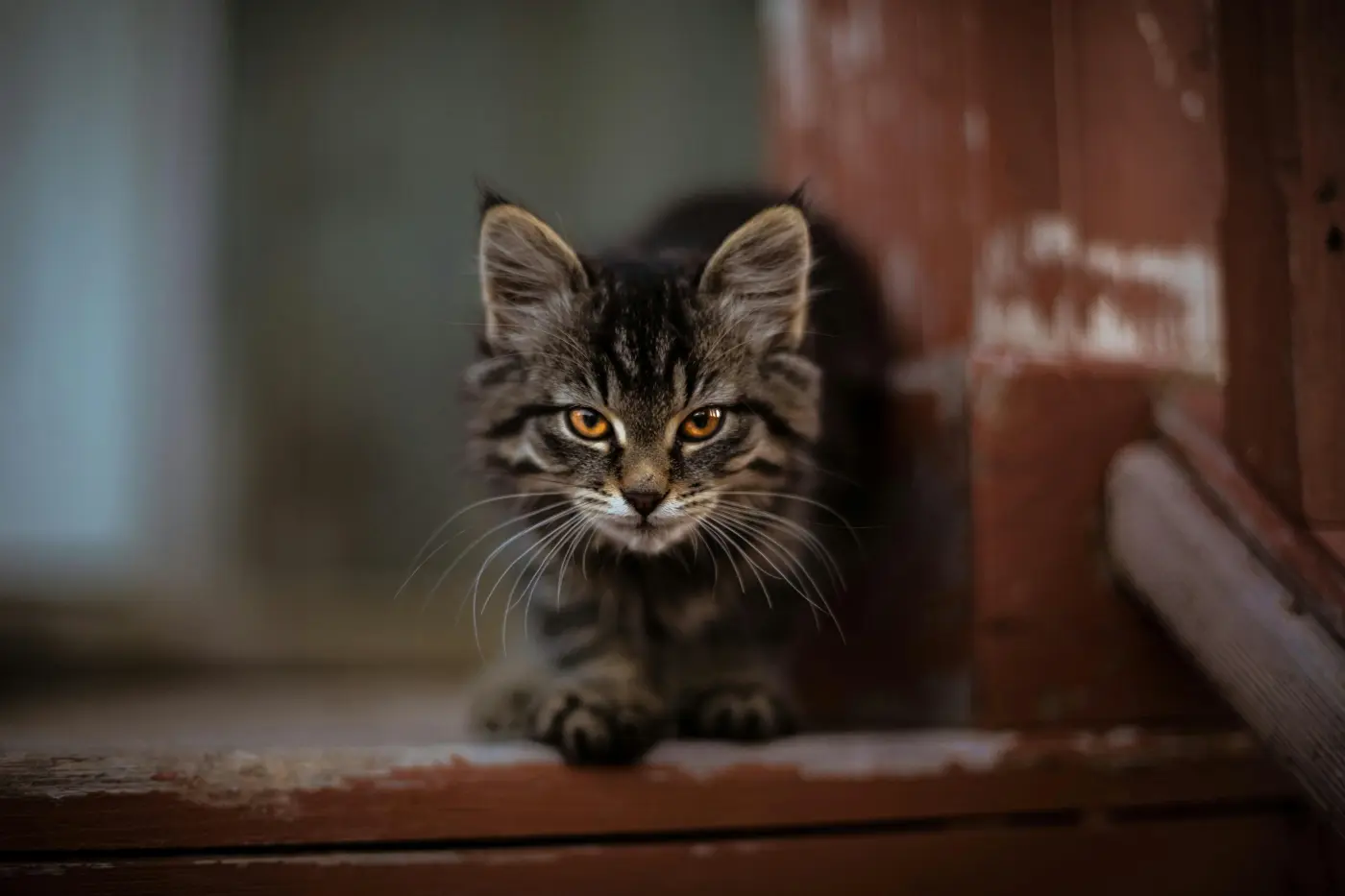
CKD & Feline cognitive dysfunction (dementia): The fog of age
Updated June 2026
Watching a senior cat stare blankly at a wall or howl in the middle of the night is heartbreaking. While frequently dismissed as simple senility, this is a specific medical condition known as Feline Cognitive Dysfunction (FCD).
In cats with Chronic Kidney Disease (CKD), FCD is a direct complication. The brain and kidneys are the two most vascular organs in the body. When the kidneys fail to filter toxins and regulate blood pressure, the delicate blood vessels in the brain suffer collateral damage.
Here is the medical breakdown of how kidney failure accelerates brain aging and how you can manage the mental decline.
The physiology: The kidney-brain axis
FCD involves the accumulation of beta-amyloid plaques and tau proteins strangling neurons (Head et al., 2008). In CKD cats, three specific mechanisms accelerate this process.
1. Uremic Neurotoxicity
As filtration drops, uremic toxins circulate in the blood and cross the blood-brain barrier. They cause chronic, low-grade neuroinflammation and oxidative stress. This essentially rusts the neurons and impairs neurotransmitter function.
2. Vascular Dementia (Hypertension)
CKD often causes systemic hypertension. When blood pressure exceeds safe limits, the brain's ability to regulate its own blood flow fails. High-pressure blood damages the tiny capillaries in the brain, leading to micro-hemorrhages or small strokes. Areas of the brain starve for oxygen and die, leading to sudden, stepped drops in cognitive ability.
3. Oxidative Stress
The brain is roughly sixty percent fat. Free radicals produced by CKD inflammation attack these lipids, destroying the cell membranes of neurons and causing them to shrink and malfunction (Sano et al., 2018).
The DISHA syndrome: Identifying the signs
Veterinarians use the acronym DISHA to categorize symptoms of cognitive decline (Landsberg et al., 2012). In a CKD cat, these signs frequently overlap with feeling physically ill. Careful observation is key.
D - Disorientation
You may observe your cat walk into a corner and fail to figure out how to back out. They stare at walls or seem lost in their own home. This can also be a sign of high blood pressure causing retinal detachment and blindness.
I - Interactions
A formerly cuddly cat becomes withdrawn or aggressive. Conversely, an independent cat becomes overly clingy due to profound anxiety.
S - Sleep-Wake Cycles
The hallmark sign is sundowning. Your cat sleeps all day but wanders and vocalizes loudly at night. This is caused by a loss of melatonin regulation and anxiety resulting from confusion in the dark.
H - House Soiling
Your cat urinates right next to the box or in random spots. They simply forget where the box is or lose urge control. CKD polyuria makes the urge urgent; if they are confused, they will not make it to the box in time.
A - Activity
Aimless wandering, pacing in circles, or a complete lack of interest in toys or grooming.
Diagnosis: The rule of exclusion
There is no blood test for dementia. You must rule out treatable medical causes first.
- Hypertension: High blood pressure causes howling and disorientation. Always check blood pressure first.
- Hyperthyroidism: Causes restlessness, howling, and aggression.
- Brain Tumor: If signs appear suddenly overnight, it is more likely a tumor or a stroke.
Management: Neuroprotection
You cannot reverse plaque buildup, but you can improve signaling between the remaining neurons (Gunn-Moore, 2011).
1. Dietary Neuroprotection
- Antioxidants: Vitamins E and C, beta-carotene, and selenium scavenge free radicals attacking the brain.
- Omega-3 Fatty Acids (DHA): High levels of DHA from fish oil help repair neuronal membranes and reduce neuroinflammation.
- MCT Oil: Aging brains struggle to use glucose for fuel. MCTs provide an alternative energy source (ketones) the brain can use immediately, often resulting in a noticeable perking up effect.
2. Medication: Selegiline
Selegiline is an MAO-B inhibitor preventing the breakdown of dopamine, keeping levels higher in the brain. It improves cognitive function, reduces anxiety, and normalizes sleep cycles. It requires four to six weeks to show an effect.
3. Environmental Support
- Night Lights: If your cat howls at night, they may be terrified of the dark due to failing vision. Plug-in night lights help them navigate safely.
- More Litter Boxes: Place a box on every floor or in their favorite room, making it impossible for them to miss.
- Routine: Do not move furniture. Feed at the exact same time every day. Stability drastically reduces anxiety.
Cited research
- Gunn-Moore, D. A. (2011). Cognitive dysfunction in cats: clinical assessment and management. Topics in Companion Animal Medicine, 26(1), 17-24.
- Head, E., Nukala, V. N., Fenoglio, K. A., Muggenburg, B. A., Cotman, C. W., & Sullivan, P. G. (2008). Oxidative stress, aging, and central nervous system disease in the canine and feline. Veterinary Clinics of North America: Small Animal Practice, 38(1), 167-178.
- Landsberg, G. M., Nichol, J., & Araujo, J. A. (2012). Cognitive dysfunction syndrome: a disease of canine and feline brain aging. Veterinary Clinics: Small Animal Practice, 42(4), 749-768.
- Sano, H., Yokota, S., Hori, T., Yamashita, M., & Uchida, K. (2018). The effect of aging and chronic kidney disease on cognitive function in cats. Journal of Veterinary Behavior, 26, 42-47.
