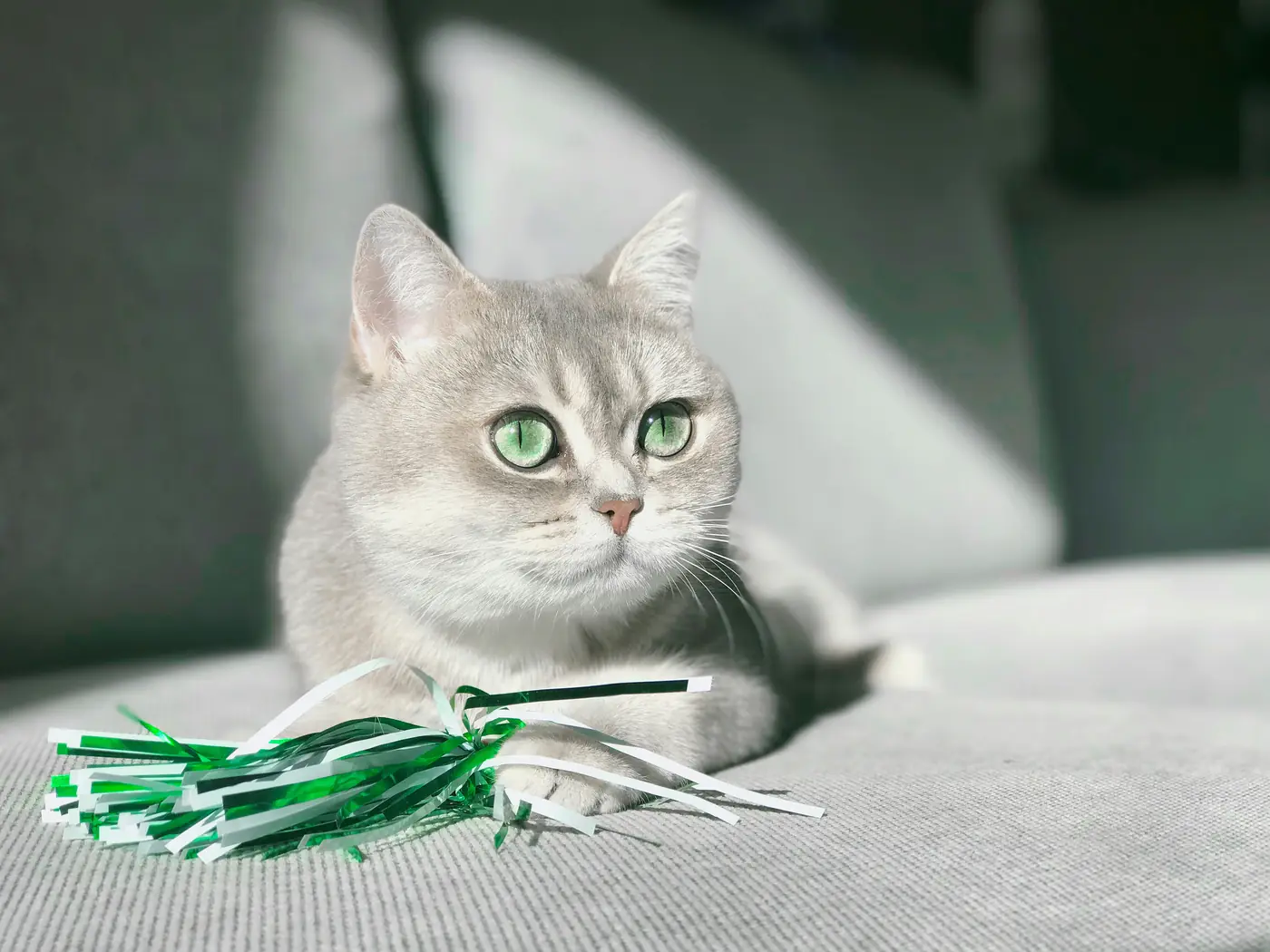
The aftermath: Navigating grief after the loss of a CKD cat
Updated June 2026
The silence in the house is deafening. For months or years, your entire life revolved around a highly strict medical schedule: fluids at eight in the morning, medications at eight at night, frequent veterinary visits, and profound constant vigilance.
Now, the routine is completely gone, and you are left with a massive void that feels deeply physical.
Grieving a cat lost to Chronic Kidney Disease (CKD) is highly complex because it is inextricably mixed with profound caregiver burnout and relief-guilt. You aren't simply missing a pet; you are actively recovering from a long-term, high-stress medical crisis.
This guide offers research-backed strategies to help you navigate the immediate aftermath and the long road of healing.
1. The physiology of grief: It’s not just in your head
Grief is a profound biological stress response.
The Broken Heart Syndrome
The immense emotional pain actively triggers the exact same centers in the brain as physical pain. You may feel actual chest tightness, severe fatigue, nausea, or profound cognitive impairment, often called brain fog.
The Phantom Routine
Your brain is deeply wired for the caretaking schedule. You might wake up with a massive start at three in the morning, terrified you missed a critical medication. This is a form of PTSD highly common in long-term medical caregivers.
The Strategy
Do not actively fight the physical symptoms. Sleep whenever you can. Drink massive amounts of water. Your body is recovering from running a marathon.
2. Validating the relief
One of the most shameful secrets of CKD caretakers is the profound feeling of relief when it finally ends.
- The Guilt: You tell yourself, "I shouldn't feel happy that they are gone."
- The Reality: You are absolutely not happy they are gone; you are deeply relieved that the severe suffering is gone (Shanan, 2011). You are relieved that the suffocating anxiety of wondering if today is the day is completely over. This is a highly normal, healthy physiological response to the end of chronic stress.
- The Affirmation: Relief is the brain's way of signaling the battle is over and you can finally rest. It absolutely does not negate your immense love.
3. Practical tips for the immediate days (0-7 Days)
The Shrine vs. The Clean Slate
There is absolutely no right way to handle their belongings.
- Option A: Leave everything exactly where it is. If seeing the water fountain actively comforts you, keep it running.
- Option B: Pack it away immediately. If seeing the subcutaneous fluid needles triggers profound trauma, place them in a box and hide it completely in the closet. You do not have to throw it away; simply remove it from your immediate sightline.
The Digital Detox
- The Algorithmic Trap: Your social media feeds are highly likely full of CKD groups, renal cat food advertisements, and fluid therapy tips. Seeing these can act as a knife to the heart.
- The Action: Unfollow the CKD groups immediately. Mute the "Feline Kidney Disease" keywords in your settings. You absolutely do not need to view creatinine levels anymore. Aggressively protect your peace.
4. Rituals of remembrance (Weeks 2-4)
Rituals actively help the brain process the finality of profound loss.
The Legacy Letter
Write a deeply personal letter to your cat. Thank them for the years of companionship. Apologize for the pilling and the needle pokes, even though you did it entirely out of love. Tell them it is completely okay to go. Many therapists suggest safely burning the letter, as watching the smoke rise serves as a powerful symbolic release of the heavy burden.
The Donation
CKD medical supplies are exceptionally expensive. Donating your leftover fluids, needles, and prescription renal food to a local shelter or another struggling CKD owner can actively transform your profound pain into someone else's immense hope.
5. Managing the empty nest (Months 1-3)
The Other Pets
If you have surviving pets, they are actively grieving too. They may heavily search the house or become profoundly clingy. Stick strictly to their routine. Extra play sessions actively help both of you release necessary endorphins.
The New Cat Question
Well-meaning friends will frequently ask when you are getting another cat.
- The Rule: There is absolutely no timeline. Some caretakers require a new cat immediately to fill the deafening silence. Others require a full year to heal.
- The Trap: Do not acquire a new cat to replace the old one. Acquire a new cat only when you are completely ready to love an entirely different personality. If you expect the new kitten to be exactly like your soulmate cat, you will be deeply disappointed.
6. When to seek professional help
Grief usually softens significantly with time. If it does not, it may be Complicated Grief.
Red Flags:
- Complete inability to function at work after two to three weeks.
- Persistent, highly intrusive flashbacks to the exact moment of euthanasia.
- Extreme, suffocating guilt leading to self-harm thoughts (Sharkin & Knox, 2003).
The Resource
Seek a Pet Loss Grief Counselor or a support group like Lap of Love’s daily support circles. These are heavily protected safe spaces where the phrase "it was just a cat" is absolutely never spoken (Packman et al., 2005).
Summary for the caretaker
You were their steadfast guardian, their highly skilled nurse, and their entire world. You kept them incredibly safe until the very end. Now, you must be that profoundly kind to yourself.
- Sleep: Your body desperately needs to crash. Let it.
- Forgive: Completely release the heavy guilt of the "what ifs."
- Remember: The disease was the end of their life, but absolutely not the sum of it. Remember the warm sunbeams, not just the cold syringes.
Cited research
- Argus Institute. (2023). Understanding Grief and Loss. Colorado State University Veterinary Teaching Hospital.
- Donohue, K. M. (2005). Pet loss: implications for social work practice. Social Work, 50(2), 187-190.
- Packman, W., Carmack, B. J., & Ronen, R. (2005). Pet loss and disenfranchised grief: Implications for mental health counseling practice. Journal of Mental Health Counseling, 27(3), 254-270.
- Shanan, A. (2011). A veterinarian's role in helping pet owners with decision making. Veterinary Clinics of North America: Small Animal Practice, 41(3), 635-646.
- Sharkin, B. S., & Knox, D. (2003). Pet loss: issues and implications for the psychologist. Professional Psychology: Research and Practice, 34(4), 414.
- Spitznagel, M. B., Jacobson, M. D., Cox, M. D., & Carlson, M. D. (2017). Caregiver burden in owners of a sick companion animal: a cross-sectional observational study. Veterinary Record, 181(12), 321-321.
