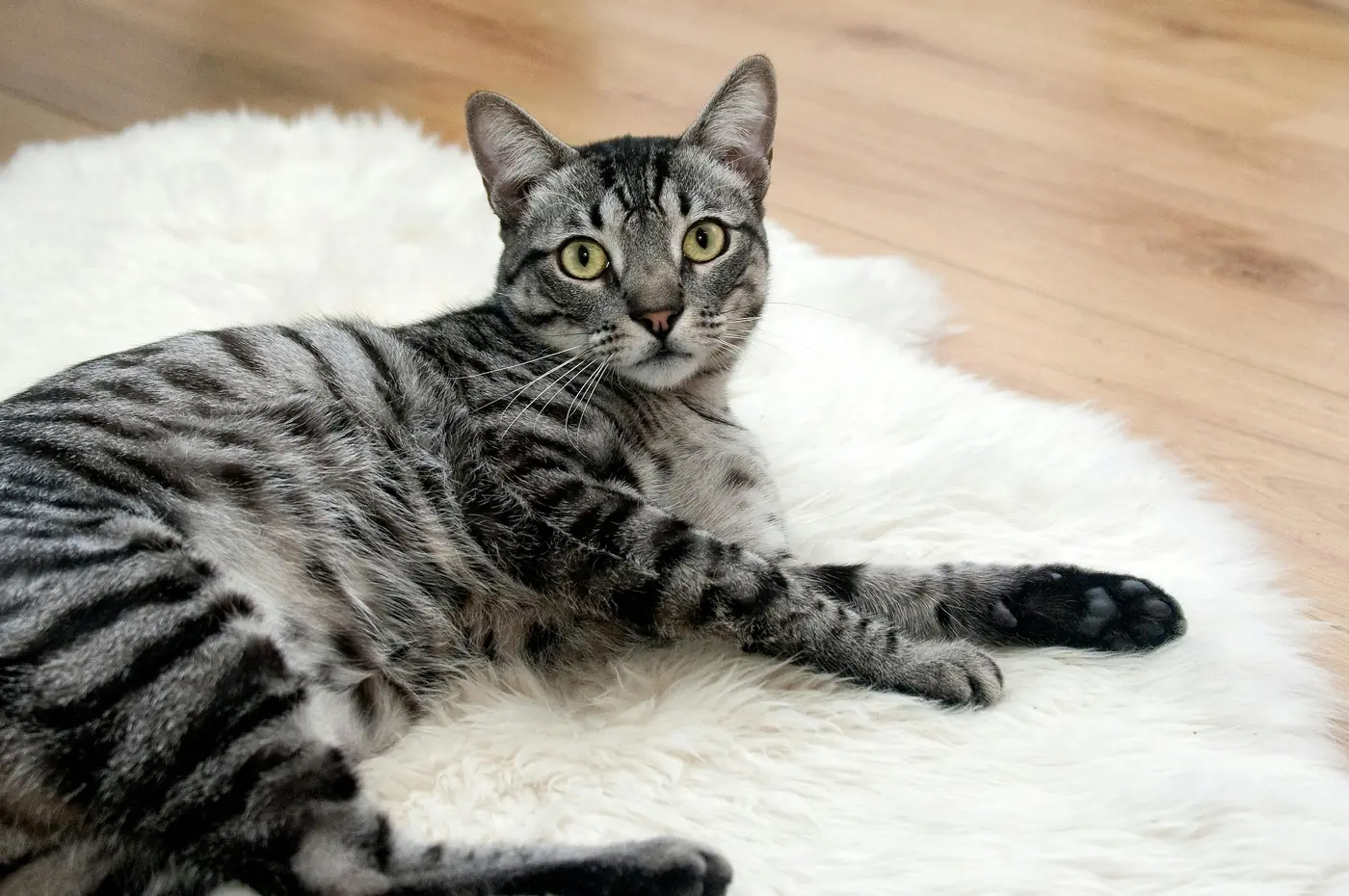
Key Takeaways: Navigating PKD in Cats with Chronic Kidney Disease
1. Understanding the Genetic Cause PKD is an inherited condition usually linked to the PKD1 gene. It causes numerous cysts containing fluid to form within the kidneys. These cysts are present from birth and slowly grow in size and number. As they expand, they crowd out healthy tissue and impair function, which eventually leads to Chronic Kidney Disease or accelerates the progression of existing renal issues.
2. Management Focuses on Support, Not Cure There is currently no medical procedure to stop cyst growth or remove them safely. Therefore, the primary goal is supportive care. Treatment protocols mirror standard CKD management strategies to preserve remaining kidney function. This includes therapeutic renal diets, maintaining hydration through water fountains or subcutaneous fluids, and correcting electrolyte imbalances.
3. Critical Complications to Monitor Cats with both PKD and CKD face specific risks that require vigilance.
-
Hypertension: High blood pressure is very common in these cases and can cause blindness or strokes if untreated.
-
Infection: Bacteria can invade the cysts, causing complex kidney infections that may be difficult to treat.
-
Pain: If cysts become excessively large or rupture, it causes significant discomfort. Owners should watch for signs of lethargy or hiding.
4. Involvement of Other Organs While the kidneys are the primary concern, PKD is a systemic issue. It is frequently associated with hepatic cysts, meaning cysts found in the liver. Less often, cysts may appear in the pancreas. Fortunately, these extrarenal cysts rarely disrupt organ function, though your veterinarian will track them during routine ultrasound imaging.
5. The Importance of Genetic Screening Because this disease is passed down through breeding lines, genetic testing is vital for prevention. This is particularly important for breeds with high predisposition rates, such as Persians, Himalayans, and British Shorthairs. Identifying carriers prevents the gene from being passed to future litters.
6. A Hopeful Prognosis is Possible A diagnosis of PKD is serious but not an immediate crisis. The rate at which the disease progresses varies wildly between individual cats. With early detection via ultrasound and proactive management of kidney parameters, many cats maintain a high quality of life for years after diagnosis.
