How Does My Cat Feel Living with CKD? Creating a Supportive Sanctuary
When your cat is diagnosed with Chronic Kidney Disease (CKD), the medical numbers can be overwhelming. But what you really want to know is simple: How does my cat actually feel?
Understanding their physical experience allows you to make changes in your home that dramatically improve their quality of life. A cat with managed CKD can feel quite well, but they have specific sensitivities that require a gentle, adapted environment.
The Physical Reality: What CKD Feels Like
Imagine having a low grade flu or a persistent hangover. That is the closest human analogy to untreated CKD.
-
Nausea and Queasiness: The buildup of waste products, known as uremic toxins, in the blood causes a constant, low level nausea. Your cat might feel hungry, walk to the bowl, smell the food, and then turn away because the smell triggers a wave of sickness. This is often why they become picky eaters.
-
Dehydration and Thirst: Because their kidneys cannot save water, CKD cats live in a state of chronic dehydration. This can cause headaches, dry mouth, and a foggy feeling. They are driven by an unquenchable thirst, which is why they may hang around water bowls or sinks.
-
Feeling Cold: The kidneys produce a hormone called erythropoietin that stimulates red blood cell production. As this fails, cats become anemic. Red blood cells carry oxygen and heat. Anemic cats feel chronically cold, especially in their extremities, and will seek out the warmest spots in the house.
-
Weakness: If potassium levels drop, a condition called hypokalemia, their muscles feel heavy and weak. Jumping up to a favorite window perch might suddenly feel like an impossible athletic feat.
-
Heightened Sensitivity: A nauseous cat has a super nose. Smells that never bothered them before, like air fresheners or scented litter, can suddenly become overpowering and sickening.
Environmental Modifications: Building a CKD Friendly Home
You can minimize these discomforts by adjusting your home environment. Small changes make a massive difference in their daily comfort.
1. Water, Water Everywhere
Since dehydration is the enemy, make drinking as easy and appealing as possible.
-
Multiple Stations: Place water bowls in every room your cat uses. Do not make them walk far to drink.
-
Separation: Cats instinctively dislike drinking near their toilet or their food. Place water bowls away from the litter box and, ideally, a few feet away from food bowls.
-
Fountains: Many cats prefer running water. A ceramic or stainless steel fountain can encourage them to drink more. Avoid plastic, which can harbor bacteria and smell.
2. The Litter Box Experience
CKD cats urinate frequently and in large volumes. A dirty box is stressful and a health risk.
-
Immaculate Cleanliness: Scoop at least twice a day. The increased urine volume means the box gets dirty much faster. A dirty box may cause them to hold their urine, which concentrates toxins and risks infection.
-
Unscented Litter: This is critical. The fresh rain scent of litter can be overwhelming to a nauseous cat. Switch to a high quality, unscented clumping litter.
-
Low Entry Boxes: If your cat is older or weak, climbing over a high sided box is difficult. Use a box with a low entry point or cut a dip in the side of a plastic storage bin.
3. Creating Warmth (Thermal Support)
Combat the chill of anemia by creating specific heat zones.
-
Heated Beds: A self heating bed, which reflects body heat, or a low voltage electric pet heating pad is essential. Place these in their favorite sleeping spots.
-
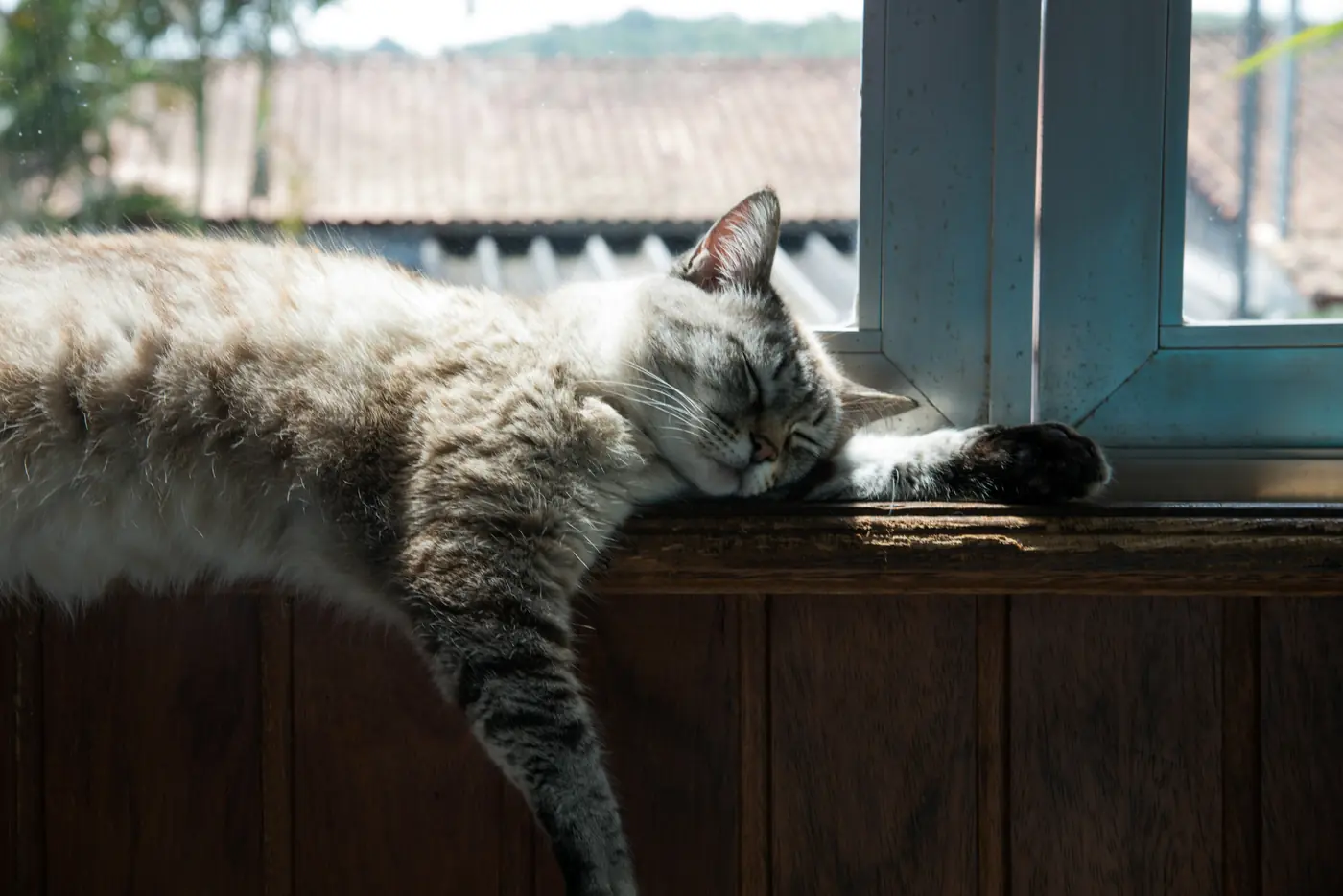
Sun Spots: Ensure access to sunny windowsills, but make sure they can get there without jumping.
4. Stress Reduction and Scent Control
Stress constricts blood vessels and can worsen kidney function. Your goal is a Zen environment.
-
Remove Scents: Eliminate plug in air fresheners, essential oil diffusers, and strongly scented cleaning products. These can trigger nausea and contribute to appetite loss.
-
Safe Zones: Ensure your cat has a hiding spot where they are never disturbed, not by kids, other pets, or the vacuum.
-
Pheromones: Consider using a Feliway diffuser (classic formula) in the room they spend the most time in. It mimics the happy cat pheromone and can help lower anxiety.
5. Accessibility and Mobility
If your cat has muscle weakness or high blood pressure, which can affect balance, they need help getting around.
-
Pet Steps and Ramps: Add stairs or carpeted ramps to help them reach the bed, sofa, or window perches. Do not make them jump.
-
Clear Pathways: Cats with high blood pressure may suffer from vision loss. Keep main pathways clear of clutter like shoes or bags so they can navigate confidently.
-
Elevated Food Bowls: Raising the food bowl by a few inches allows the cat to eat without crouching. This helps reduce acid reflux and makes swallowing easier for nauseous cats.
Summary for the Caretaker
Living with CKD requires a shift in perspective. Your cat is not just older; they are managing a chronic condition that affects how they perceive the world. By removing strong smells, adding warmth, ensuring easy access to water, and removing physical obstacles, you reduce the burden on their body. You create a sanctuary where they can focus on resting and feeling loved.
Cited Research
-
Sparkes, A. H., et al. (2016). ISFM Consensus Guidelines on the Diagnosis and Management of Feline Chronic Kidney Disease. Journal of Feline Medicine and Surgery, 18(3), 219 239.
-
Reynolds, B. S., and Lefebvre, H. P. (2013). Feline CKD: Pathophysiology and risk factors. Journal of Feline Medicine and Surgery, 15(1, Suppl), 3 14.
-
Quimby, J. M., et al. (2011). Evaluation of the effects of aggressive management on the quality of life of cats with chronic kidney disease. Journal of the American Veterinary Medical Association.
-
Ellis, S. L., et al. (2013). AAFP and ISFM Feline Environmental Needs Guidelines. Journal of Feline Medicine and Surgery, 15(3), 219 230.