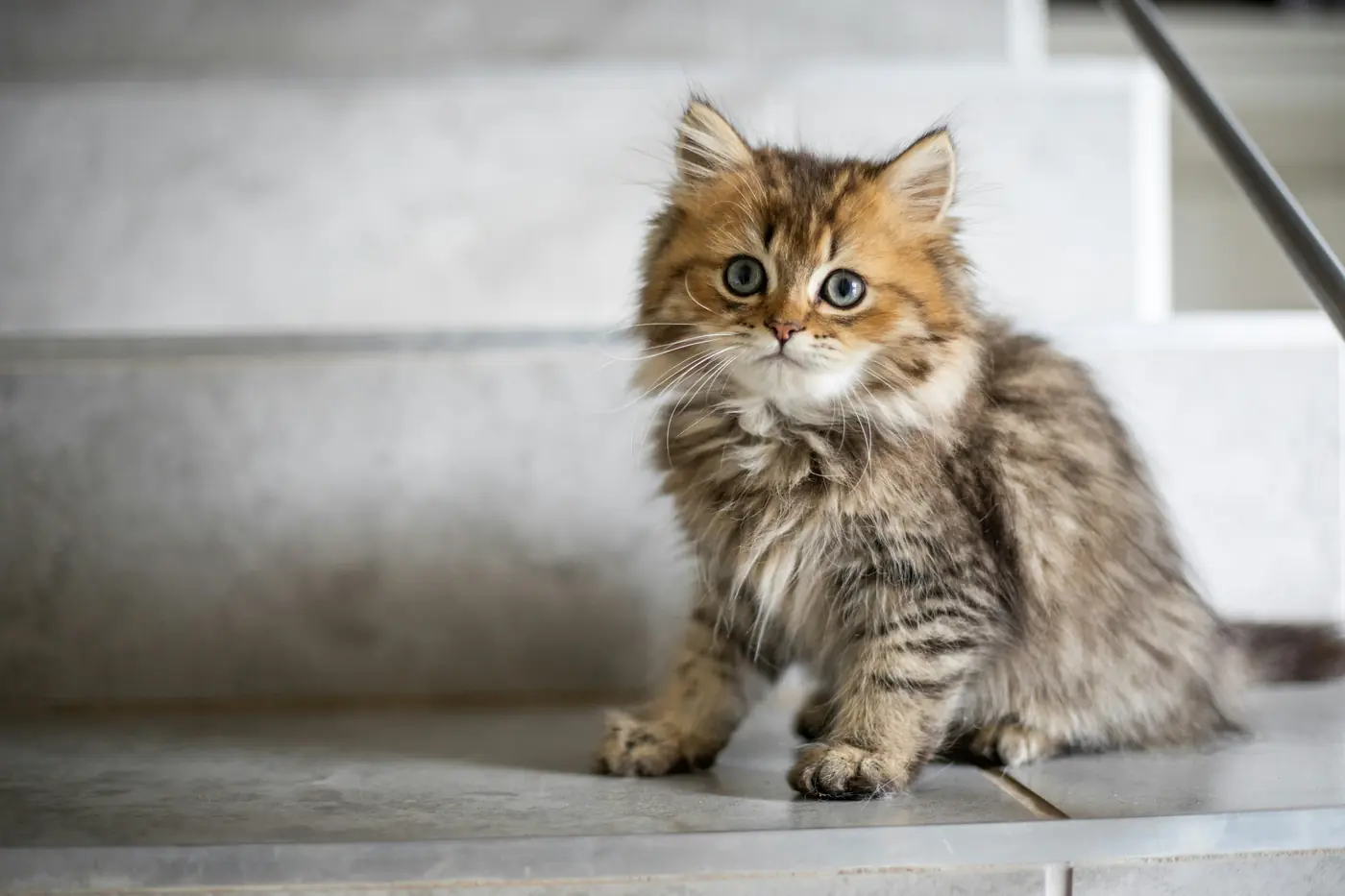
Proactive Kidney Health: Protecting Your Cat Before CKD Starts
Chronic Kidney Disease (CKD) is often viewed as an inevitable part of a cat's aging process, but that does not mean you have to sit back and wait for it to happen. While genetics play a role, there are significant environmental and lifestyle factors that influence kidney health.
Taking a proactive approach when your cat is young and healthy can preserve their nephrons (kidney filters) and potentially delay the onset of disease by years.
1. The Golden Rule: Smart Hydration
The single most effective way to protect feline kidneys is to maintain good hydration.
Cats have a low thirst drive. In the wild, they get most of their moisture from prey, which is about 70% to 80% water. Domestic cats fed dry kibble (which is only 10% water) often live in a state of mild, chronic dehydration. This forces the kidneys to work overtime to concentrate urine, increasing the stress on the organ.
The Strategy:
-
Feed Wet Food: Transitioning to a high moisture diet (canned, raw, or pouches) is the best preventative measure. It ensures a constant flow of fluid through the kidneys, flushing out toxins and preventing crystals.
-
Water Fountains: Moving water mimics a fresh stream, encouraging cats to drink more.
-
Multiple Sources: Place water bowls away from food and litter boxes to cater to their instincts.
Important Caution for Heart Patients: While hydration is vital for kidneys, you must be careful if your cat has a heart condition like Hypertrophic Cardiomyopathy (HCM). In cats with weak hearts, aggressive hydration (like subcutaneous fluids or forced water intake) can overwhelm the heart and lead to fluid in the lungs (Congestive Heart Failure). Always have your vet check for a heart murmur before starting any fluid therapy. For heart patients, dietary moisture (wet food) is usually safe and ideal, but medical fluids require strict veterinary oversight.
2. Balanced Nutrition and Smart Treating
While we emphasize avoiding renal diets for healthy cats, the quality and balance of their maintenance diet still matter immensely. A healthy cat needs a complete and balanced diet that meets all nutritional requirements (AAFCO standards) to maintain muscle mass and immune function.
However, recent research suggests that excessive phosphorus intake, particularly from inorganic additives found in some commercial foods, may contribute to kidney damage over time, even in healthy cats.
The Strategy:
-
Read the Label: Look for complete and balanced foods. Avoid foods where "phosphoric acid" or other phosphate additives appear very high on the ingredient list if possible, though some is necessary for pH balance.
-
Treats in Moderation: Many popular cat treats, especially dried fish, jerky, or bone based treats, are extremely high in phosphorus. While a healthy kidney can handle this, constantly overloading the system with high phosphorus snacks adds unnecessary work.
-
Choose Kidney Friendly Treats: You can be proactive by choosing low phosphorus treats. For example, Weruva Wx treats are specifically designed to be low in phosphorus while still being palatable. Using these allows you to bond with your cat and reward them without adding a heavy mineral load to their kidneys.
3. UTI Vigilance and Litter Box Hygiene
The urinary tract is a connected system. An infection in the bladder does not always stay in the bladder; it can travel up the ureters and infect the kidneys. This is called Pyelonephritis.
A kidney infection causes significant inflammation and can leave behind permanent scar tissue. Repeated infections are a known cause of CKD in later life.
The Strategy:
-
Scoop Daily: A dirty litter box is a health hazard. If the box is dirty, cats may hold their urine longer than necessary. Retaining urine allows bacteria to multiply and concentrate in the bladder. Scoop at least once or twice a day.
-
Watch for Signs: Straining to urinate, urinating small amounts frequently, blood in the urine, or licking the genitals excessively are emergency signs.
-
Treat Promptly: Never ignore a suspected UTI. Immediate antibiotic treatment prevents the bacteria from ascending to the kidneys and causing permanent damage.
4. Oral Health is Kidney Health
There is a direct, proven link between dental disease and kidney damage.
Periodontal disease causes gums to bleed and become inflamed. This allows oral bacteria to enter the bloodstream (bacteremia). These bacteria travel to the kidneys, where they can get trapped in the microscopic filters, causing inflammation, scarring, and permanent damage over time.
The Strategy:
-
Daily Brushing: Use an enzymatic pet toothpaste.
-
Professional Cleanings: Do not skip veterinary dental cleanings. Anesthesia free cleanings are cosmetic and do not remove the bacteria under the gumline where the damage happens.
5. Weight Management and Toxin Avoidance
Weight: Obesity is a state of chronic inflammation. Fat tissue produces inflammatory hormones (adipokines) that stress the entire body, including the kidneys. Overweight cats are also at higher risk for high blood pressure and diabetes, both of which damage kidney tissue. Keep your cat lean; you should feel their ribs easily.
Toxins: Acute Kidney Injury (AKI) from toxins can leave permanent scars that eventually turn into CKD years later.
-
No Lilies: Never bring lilies (genus Lilium or Hemerocallis) into your home. Even the pollen is deadly.
-
NSAID Caution: Never give human painkillers (like Tylenol or Ibuprofen). Be cautious with veterinary NSAIDs (like Meloxicam) if your cat is dehydrated.
6. The Danger of Premature Treatment: Do NOT Use Binders Yet
A common and dangerous mistake well meaning owners make is trying to treat a healthy cat like a CKD cat. Do not start phosphorus binders or renal diets on a healthy cat.
Why it is dangerous:
-
Cats Need Phosphorus: Phosphorus is essential for bone strength, energy production (ATP), and cell repair. Healthy kidneys are perfectly capable of excreting excess phosphorus.
-
Risk of Hypophosphatemia: If you use binders on a healthy cat, you can drive their blood phosphorus levels too low. This condition, called hypophosphatemia, can cause red blood cells to burst (hemolysis), severe muscle weakness, and neurological issues.
-
Protein Needs: Renal diets are restricted in protein. Healthy adult cats need high protein levels to maintain muscle mass and a healthy immune system. Restricting protein prematurely causes muscle wasting.
The Rule: Feed a high quality, balanced maintenance diet. Save the renal restrictions for when a blood test confirms they are actually needed.
7. Regular Screening: Establish a Baseline
You cannot detect change if you do not know what is normal for your specific cat.
The Strategy:
-
Annual Blood Work: Start annual blood panels at age 3 or 4, not just when they are seniors. Ask for SDMA to be included.
-
Urinalysis: This is often overlooked but vital. A Urine Specific Gravity (USG) test tells you if the kidneys are concentrating well long before blood values change.
-
Blood Pressure: Ask for a blood pressure check starting at age 7. Treating silent hypertension early protects the kidneys from physical damage.
Summary for the Caretaker
Proactive kidney care is not about medication; it is about lifestyle. By feeding wet food, maintaining strict litter box hygiene to prevent infections, keeping their teeth clean, choosing smart low phosphorus treats like Weruva Wx, and avoiding toxins, you are building a biological buffer. You are maximizing their kidney health so that if age related decline does begin, they have as much healthy tissue reserved as possible.
Cited Research
-
Pusinelli, I., et al. (2020). Periodontal disease and its association with chronic kidney disease in cats. Journal of Feline Medicine and Surgery.
-
Freeman, L. M., et al. (2016). Nutritional management of chronic kidney disease in dogs and cats. Journal of the American Veterinary Medical Association.
-
Dobenecker, B., et al. (2018). Effect of a high phosphorus diet on indicators of renal health in cats. Journal of Feline Medicine and Surgery.
-
Bartges, J. W. (2012). Chronic Kidney Disease in Dogs and Cats. Veterinary Clinics: Small Animal Practice.
-
Brown, S. A. (2016). Evaluation of the Kidney in Dogs and Cats. Veterinary Clinics: Small Animal Practice, 46(6).
