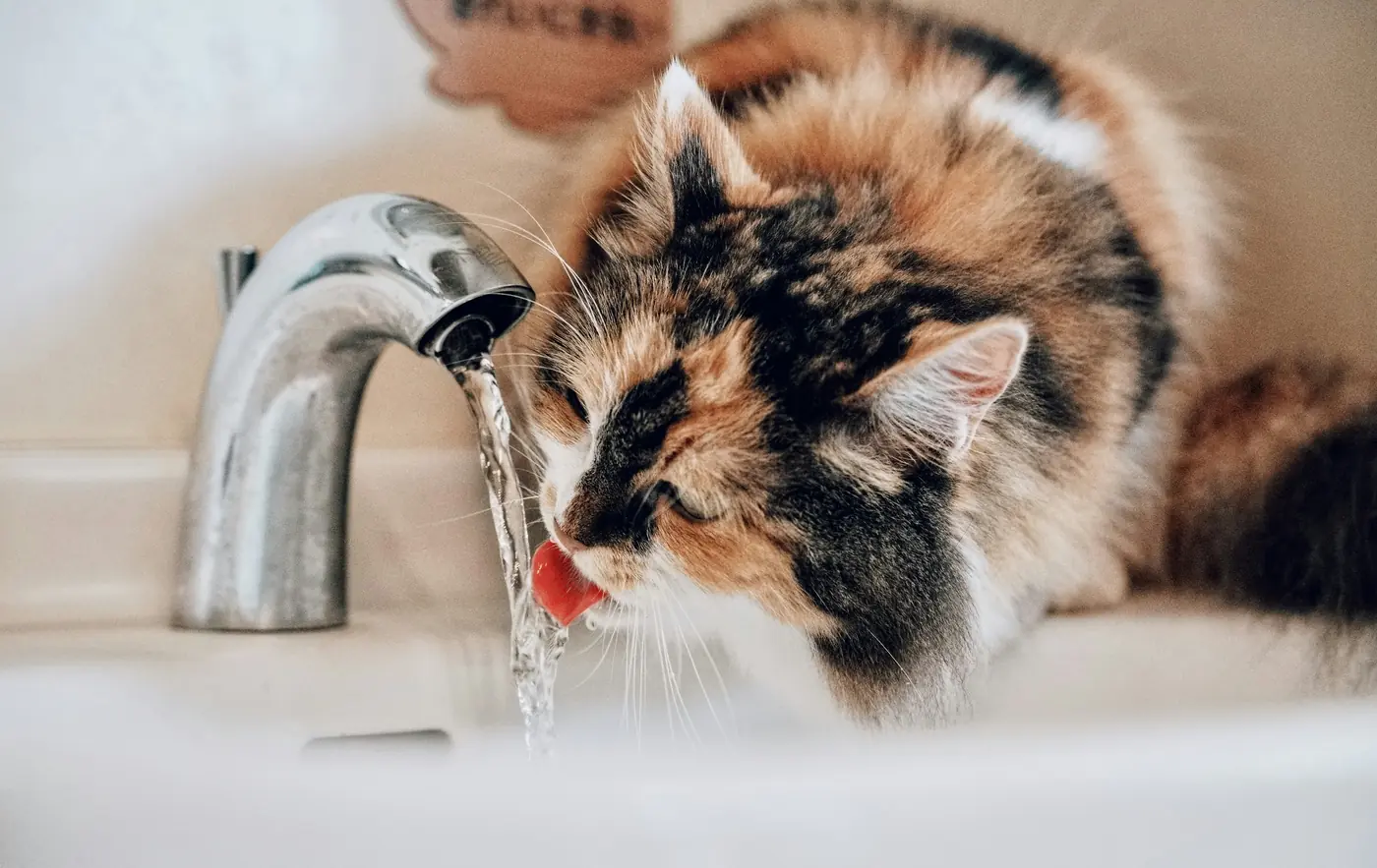
Golden Rule: Hydration is Key for CKD Cats
For cats with Chronic Kidney Disease (CKD), hydration is not just a good idea; it is the single most important factor in how they feel every day. It is the fuel that keeps their remaining kidney tissue functioning.
As a caretaker, your primary goal is to keep your cat hydrated. When kidneys fail, they lose the ability to recycle water. They become like a leaky bucket, constantly losing moisture through urine regardless of how much the cat drinks. This puts CKD cats in a state of chronic, low level dehydration that makes them feel terrible.
The Medical Reality: Why Water Equals Life
To understand why hydration is non negotiable, we must look at how the kidney filters blood.
1. Glomerular Filtration Rate (GFR) The kidneys work on pressure. Blood enters the kidney and is pushed through microscopic filters called glomeruli. This process is driven by blood pressure and volume. When a cat is dehydrated, blood volume drops. This lowers the pressure in the kidneys, causing the Glomerular Filtration Rate (GFR) to plummet.
2. Pre Renal Azotemia When GFR drops, waste products like creatinine and urea stop moving into the urine and instead back up into the blood. This is called pre renal azotemia. It means the toxins are high not just because the kidney is damaged, but because there is not enough fluid to flush the system. This causes a sudden spike in nausea, lethargy, and weakness.
3. Electrolyte Stability Water is the medium in which electrolytes like sodium, potassium, and chloride dissolve. Dehydration throws these delicate balances off, leading to muscle weakness, cramping, and heart arrhythmias.
How to Check Hydration at Home
You cannot rely on your cat to tell you they are thirsty. By the time they are seeking water, they are already dehydrated. You must be the monitor.
-
The Tenting Test: Gently lift the skin between the shoulder blades. In a well hydrated cat, it snaps back instantly. In a dehydrated cat, it returns slowly or stays up in a tent shape.
-
The Gum Test: Lift the lip and touch the gums. They should feel slippery and moist. If they feel sticky or tacky, like the back of a post it note, your cat needs fluids immediately.
-
The Eye Test: Dehydration causes the fat pads behind the eyes to shrink, making the eyes look sunken or dull.
Strategic Hydration: Tricks of the Trade
Since CKD cats cannot conserve water, you must constantly replenish it. Here are effective, caretaker tested strategies to increase intake.
1. The Wet Food Mandate Dry kibble is the enemy of the CKD cat. It contains only 10% water and actually requires the body to give up its own fluids to digest it. Canned food is 78% water. Switching to a 100% wet diet is often enough to correct mild dehydration in early stage CKD.
2. The Soup Strategy Do not just feed wet food; turn it into a soup. Add 1 to 2 tablespoons of warm, filtered water to every meal.
-
Tip: Start with a teaspoon and work your way up so they do not reject the texture change.
-
Tip: Warm water releases the aroma of the food, which helps stimulate appetite in nauseous cats.
3. Fountain Therapy Cats are evolutionarily programmed to view still water as stagnant and dangerous. Moving water signals freshness.
-
Use a ceramic or stainless steel fountain. Plastic can harbor bacteria that cause chin acne.
-
Clean the pump weekly to ensure the water tastes fresh.
4. Flavor Enhancers If your cat ignores plain water, try flavoring it.
-
Tuna Water: Drain the water from a can of tuna (spring water, no salt added) and add a splash to their bowl.
-
Broth: Boil a plain piece of chicken breast in water (no onions, garlic, or salt). Cool the liquid and offer it as a treat.
-
Purina Hydra Care: This is a specialized nutrient enriched water supplement that actually helps cells absorb water more efficiently than plain water. Many cats love the liver flavor.
5. Bowl Psychology
-
Whisker Fatigue: Cats hate when their sensitive whiskers touch the sides of a bowl. Use wide, shallow dishes or saucers.
-
Location: Do not put water near the food bowl. In the wild, cats do not drink where they kill their prey to avoid contamination. Place water stations in low traffic areas like the bedroom or living room.
Medical Hydration: Subcutaneous Fluids
In Stage 3 and 4 CKD, oral hydration is rarely enough to keep up with the loss. Your vet may prescribe Subcutaneous (Sub Q) Fluids.
This involves using a small needle to inject a balanced electrolyte solution (like Lactated Ringer's Solution) under the loose skin on the cat's back. It creates a small hump of fluid that the body absorbs over a few hours.
-
Why it works: It bypasses the stomach. Even if the cat is vomiting or nauseous, they get fully hydrated.
-
The Impact: Owners often describe this as a miracle. A cat that was hiding and lethargic will often perk up, eat, and act like themselves again within hours of receiving fluids. It flushes the uremic toxins and restores blood volume.
A Critical Warning: The Heart Connection
While fluids are life saving, they are dangerous for cats with heart disease.
If your cat has Hypertrophic Cardiomyopathy (HCM) or a heart murmur, their heart may be too weak to pump the extra fluid volume. Giving fluids too aggressively can cause the fluid to back up into the lungs (Congestive Heart Failure), effectively drowning the cat.
The Rule: Always have your vet check for a heart murmur before starting Sub Q fluids. If your cat has heart issues, fluid therapy must be calculated very precisely by a cardiologist or internal medicine specialist.
Summary for the Caretaker
Hydration is the foundation of CKD management. It reduces nausea, protects remaining kidney function, and prevents constipation. By making water appealing and using wet food as a delivery system, you are actively treating the disease every single day. A hydrated cat is a comfortable cat.
Cited Research
-
DiBartola, S. P. (2012). Fluid, Electrolyte, and Acid Base Disorders in Small Animal Practice (4th ed.). Elsevier Health Sciences.
-
Sparkes, A. H., et al. (2016). ISFM Consensus Guidelines on the Diagnosis and Management of Feline Chronic Kidney Disease. Journal of Feline Medicine and Surgery, 18(3), 219 239.
-
Lefebvre, H. P., et al. (2008). Urine protein to creatinine ratio and blood pressure in cats with chronic kidney disease. Journal of Veterinary Internal Medicine.
-
Quimby, J. M., et al. (2011). Evaluation of the effects of aggressive management on the quality of life of cats with chronic kidney disease. Journal of the American Veterinary Medical Association.
