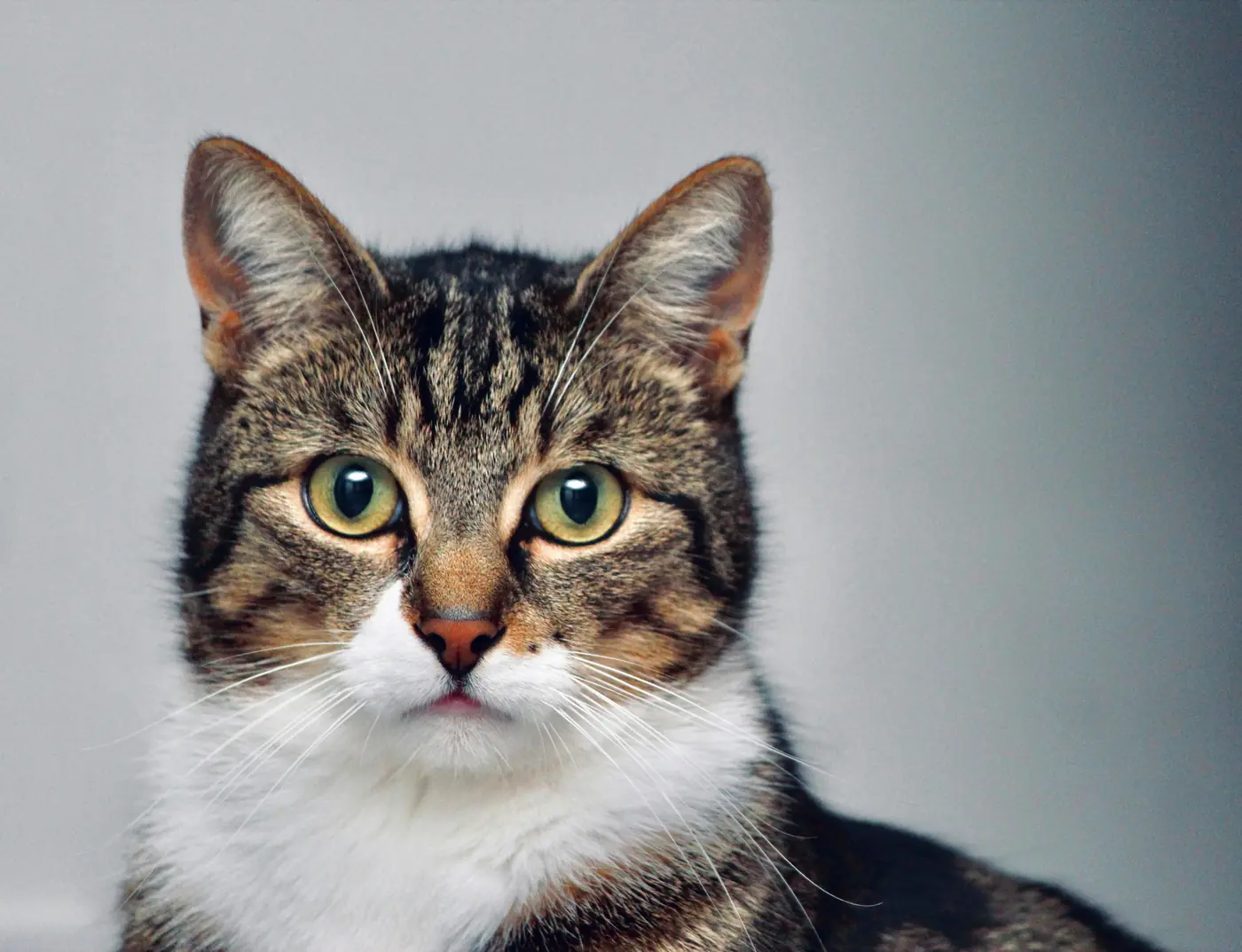
CKD & Inappetence: The Battle for Calories
Of all the symptoms of Chronic Kidney Disease (CKD), inappetence (refusal to eat) is the most distressing for caretakers. Food is love, and when a cat turns away from their bowl, it feels like they are giving up.
But in CKD, a lack of appetite is rarely "pickiness." It is a biological symptom driven by nausea, toxins, and metabolic chaos. Understanding why they aren't eating is the first step to fixing it.
The Physiology: Why Won't My Cat Eat?
Inappetence in CKD is multifaceted. It is usually a combination of feeling sick to their stomach, having a bad taste in their mouth, and being physically exhausted.
1. Uremic Gastritis & Nausea
-
The Toxin Build Up: As kidneys fail, waste products like urea accumulate in the blood. These toxins interact with the Chemoreceptor Trigger Zone (CRTZ) in the brain, sending a constant signal of "nausea."
-
High Stomach Acid: The kidneys normally filter out a hormone called Gastrin, which stimulates stomach acid. In CKD, gastrin levels rise (Hypergastrinemia), causing the stomach to become highly acidic. This leads to ulcers, acid reflux, and a burning sensation that makes eating painful.
2. Metabolic Acidosis: The Muscle Eater
-
The Acid Buildup: Kidneys remove acid from the blood. When they fail, acid builds up (Metabolic Acidosis).
-
The Catabolic State: To neutralize this acid, the body breaks down its own muscle tissue to release amino acids (which act as buffers). This process makes the cat feel physically terrible, weak, achy, and nauseous. It is a major driver of weight loss.
3. Nutritional Deficiencies
-
Vitamin B Loss: B vitamins are water soluble. Because CKD cats produce huge volumes of dilute urine (polyuria), they flush these vitamins out before the body can use them. A deficiency in Vitamin B12 (Cobalamin) leads to a crash in appetite and anemia.
-
Potassium: Low potassium causes severe muscle weakness, making the physical act of walking to the bowl and chewing exhausting.
4. The "Dysrexia" Cycle
-
This is a medical term for a dysregulated appetite. The cat wants to eat (they approach the bowl), but then they smell the food, feel a wave of nausea, and turn away. This creates a food aversion: "That bowl made me feel sick last time, so I won't go near it again."
The Danger: Hepatic Lipidosis & Cachexia
Cats are unique metabolic machines. Unlike dogs or humans, they cannot simply "fast" for a few days.
1. Hepatic Lipidosis (Fatty Liver Disease)
-
If a cat stops eating for even 24 to 48 hours, the body mobilizes fat stores for energy. The feline liver is poor at processing this fat. The fat clogs the liver cells, causing liver failure.
-
The Trap: A CKD cat stops eating due to nausea, develops Fatty Liver, feels more nauseous, and refuses food even more. This spiral is fatal if not treated aggressively.
2. Sarcopenia (Muscle Wasting)
-
CKD is a "wasting disease." The body burns muscle for energy because it can't utilize protein properly. This loss of muscle mass (Cachexia) is directly linked to shorter survival times.
The Golden Rule: Calories First
"It is better to eat the wrong food than to starve on the right food."
Many owners panic if their cat refuses the prescription renal diet. Do not force the renal diet if the cat won't eat it. Starvation is faster and deadlier than the slow progression of kidney disease. If your cat will only eat fancy feast or boiled chicken, feed them that. We can deal with the phosphorus later (using binders).
Management Strategy: How to Get Them to Eat
Treating inappetence requires a multi pronged approach: Medicate, Motivate, and Supplement.
1. Medical Management (The Foundation)
You cannot "tempt" a nauseous cat to eat. You must treat the nausea first.
-
Anti Emetics (Anti Nausea):
-
Cerenia (Maropitant): Targets the vomiting center in the brain. Often used for acute vomiting.
-
Zofran (Ondansetron): Excellent for generalized nausea. Many CKD cats benefit from this daily.
-
-
Antacids:
-
Famotidine (Pepcid AC): Reduces stomach acid production.
-
Omeprazole: A stronger proton pump inhibitor for severe ulcers or reflux.
-
-
Appetite Stimulants:
-
Mirtazapine (Mirataz): Now available as a transdermal ointment you rub in the ear. It triggers appetite and reduces vomiting.
-
Elura (Capromorelin): A liquid that mimics the "hunger hormone" ghrelin.
-
2. Dietary Tactics (The Art of Feeding)
-
Texture & Temperature: Warm the food to body temperature to release aromas (cats eat by smell). Pate or mousse textures are often easier for weak cats to lap up than chunks.
-
The "Buffet" Method: Offer small amounts of 3 to 4 different foods. Tastes change daily in CKD.
-
Toppers: Use "high value" scents to trigger eating:
-
Bonito flakes (dried tuna).
-
FortiFlora (probiotic powder with a strong animal digest flavor).
-
Meat baby food (Ham/Chicken/Beef, ensure NO onion/garlic).
-
Nutritional yeast (cheesy flavor).
-
3. Nutrient Support
-
Vitamin B12 Injections: Weekly or monthly injections of B12 (Cyanocobalamin) can dramatically improve appetite and energy levels. It bypasses the gut (which may not be absorbing well) and the kidneys (which are flushing it out).
-
Potassium Supplements: Correcting low potassium restores muscle strength.
Assisted Feeding: When to Intervene
If medications and toppers fail, you must physically get calories into the cat.
-
Syringe Feeding: Gently syringing a high calorie recovery food (like Hill's a/d or Royal Canin Recovery) into the side of the mouth. This is a stop gap measure.
-
Feeding Tubes (E Tube):
-
The Reality: Many owners are terrified of this, but it is a lifesaver. An Esophagostomy Tube allows you to blend food and meds and simply push them through a tube in the neck.
-
The Benefit: It removes the stress of "will he eat?" You ensure he gets 100% of his calories, water, and meds in minutes, with zero fighting. Most cats tolerate it incredibly well.
-
Tracking: The Scale Does Not Lie
Do not rely on your eyes. Fur hides weight loss.
-
Weekly Weigh Ins: Use a baby scale. A loss of even 0.2 lbs is significant in a cat.
-
Muscle Condition Score (MCS): Feel the spine and hips. If the bones are becoming more prominent, the cat is burning muscle.
Summary for the Caretaker
Inappetence is a symptom, not a behavior choice.
-
Treat the Nausea: If they lick their lips or turn away, they need meds.
-
Calories First: Any food is better than no food.
-
Supplement B Vitamins: Replace what they are peeing out.
-
Intervene Early: Don't wait until they have lost 20% of their body weight to start assisted feeding.
References
-
Quimby, J. M., et al. (2013). Mirtazapine as an appetite stimulant and anti emetic in cats with chronic kidney disease: A double blind placebo controlled trial. The Veterinary Journal, 197(3), 651 655.
-
Reynolds, B. S., & Lefebvre, H. P. (2013). Feline CKD: Pathophysiology and risk factors. Journal of Feline Medicine and Surgery.
-
Freeman, L. M. (2012). Cachexia and sarcopenia: emerging syndromes of importance in dogs and cats. Journal of Veterinary Internal Medicine.
-
Agnew, W., & Korman, R. (2014). Pharmacological appetite stimulation in dogs and cats. Veterinary Medicine: Research and Reports.
-
International Renal Interest Society (IRIS). (2023). Treatment Recommendations for CKD.
