ProductsNOW Foods Slippery Elm Powder
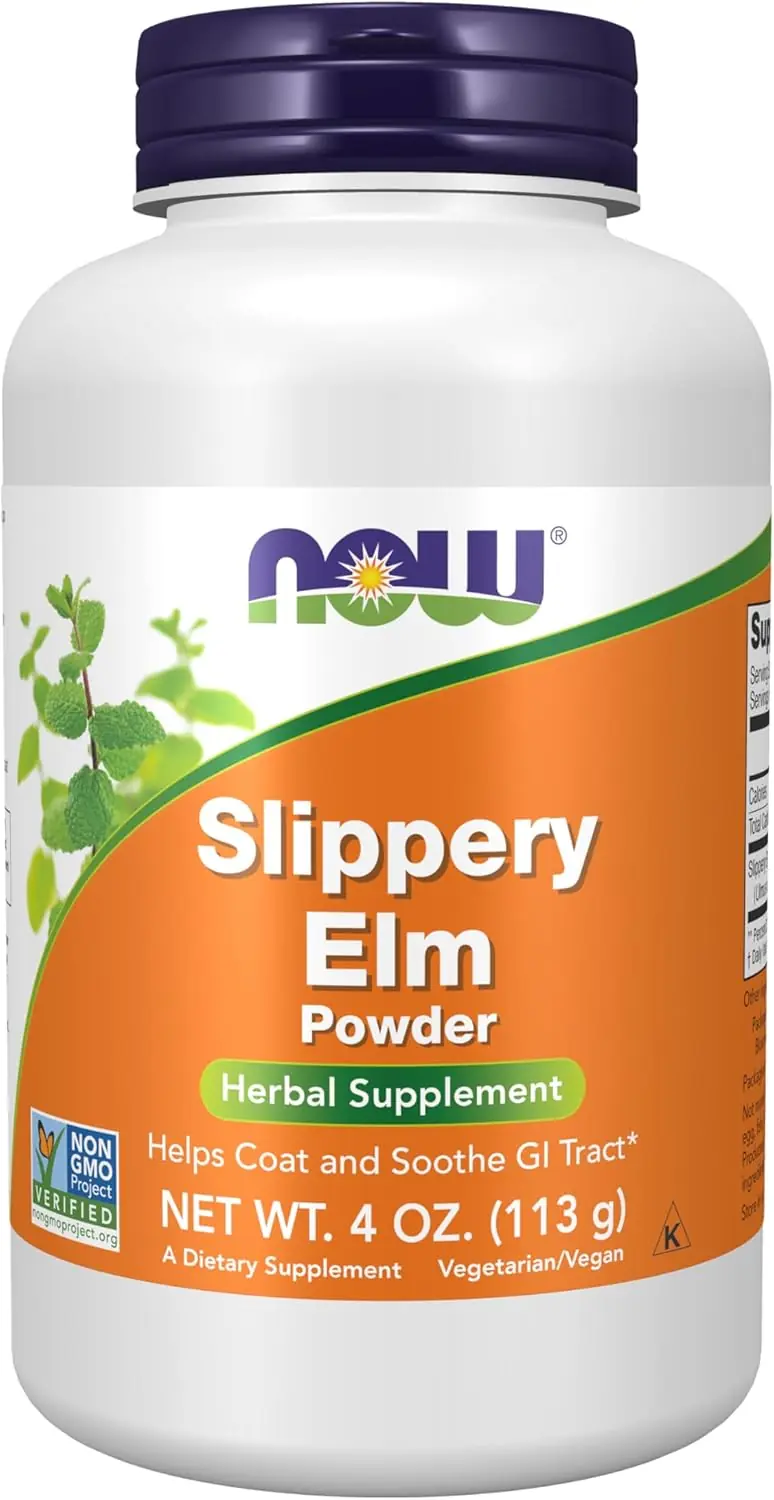
NOW Foods Slippery Elm Powder
Updated October 25, 2026 | 140 views
Product Overview and Mechanism
What it is This is 100% pure powdered inner bark from the Slippery Elm tree (Ulmus rubra). While sold as a human supplement for sore throats and digestive health, it is a "holy grail" staple in the feline kidney (CKD) and IBD communities.
How it works When mixed with water, the powder becomes a mucilage (a thick, gooey gel). This gel coats the stomach and esophageal lining, acting as a "natural bandage." It soothes inflammation caused by uremic toxins (in CKD cats) or stomach acid, reducing nausea and vomiting.
The "Clean" Factor Unlike many pet-specific gels that add preservatives, flavors, or sugar, this NOW Foods product is a single-ingredient powder. This gives you total control over what your cat ingests.
Formula and Label Transparency
Active Ingredient
-
Slippery Elm Bark Powder (100%): No other fillers.
Transparency Score: High There are no hidden proprietary blends here. You are getting exactly what is on the bottle. Because it is a human-grade supplement, the quality control is generally higher than some unregulated pet treats.
Dosing Directions & The "Syrup" Recipe
Do not follow the bottle The bottle instructions are for adult humans. Do not give a cat a full teaspoon of dry powder.
The "Syrup" Method (Gold Standard) Most experts recommend making a syrup to ensure hydration and palatability:
-
Recipe: Mix 1 teaspoon of powder with 1/2 cup of cold water in a small pot. Bring to a simmer while stirring constantly until it thickens (about 2–3 minutes). Let it cool.
-
Dose: Give 1/4 to 1/2 teaspoon of this syrup 2–3 times daily.
-
Storage: The syrup keeps in the fridge for about 5 days.
The "Lazy" Method You can mix a small pinch (1/8 teaspoon) of the dry powder into wet food with extra water added. However, some cats dislike the "gritty" texture of the raw powder compared to the smooth syrup.
Safety Cautions & Drug Interactions
The 2-Hour Rule This is the most critical safety rule: Slippery Elm coats the stomach so well that it can block the absorption of other medications.
-
Protocol: Give Slippery Elm at least 2 hours apart from antibiotics, thyroid meds, or heart medications. Ideally, give it as a "mid-day" treat or right before bed, separate from the main mealtime pill routine.
Hydration is Key Slippery Elm absorbs water. If you give the dry powder to a dehydrated CKD cat without adding extra water to their food, it can potentially worsen constipation. Always mix it with liquid.
Real-World User Feedback
The Good: The "Vomit Stopper"
-
Nausea Control: Owners of CKD cats frequently call this a "lifesaver" for the "licking chops/smacking lips" stage of nausea. Many report a reduction in clear/foamy vomit within days.
-
Cost: One 4 oz bottle costs less than $10 and lasts a single cat nearly a year. It is vastly cheaper than prescription anti-nausea meds (though not as potent for severe cases).
The Bad: The "Slime" Factor
-
Texture Aversion: The syrup is undeniably slimy (like egg whites). Some cats are disgusted by the texture and will shake their heads, flinging it everywhere.
-
Preparation Effort: Unlike a pill you just pop in, the syrup requires cooking and refrigerating, which adds to the "caregiver burden."
The Ugly: The "Dry Powder" Mistake
-
Choking: Users who tried to syringe the raw powder mixed with just a drop of water report it turning into a cement-like paste that is hard for the cat to swallow. Always use plenty of water.
Expert Verdict
Bottom Line NOW Foods Slippery Elm is the most cost-effective, natural first-line defense against mild nausea and acid reflux in cats. It is a must-have for the medicine cabinet of any CKD or IBD cat owner.
Who is this best for?
-
Early Nausea: Cats who lick their lips or turn away from food but aren't vomiting aggressively yet.
-
The "Pill Fatigue" Cat: Since it has a mild, woody taste, many cats will lap up the syrup mixed with a Churu, saving you from pilling them.
How to trial safely
-
Cook the Syrup: Do not start with dry powder. Make the syrup.
-
Timing: Pick a time of day when you give no other meds (e.g., noon).
-
Mix: Mix 1/4 teaspoon of the syrup into a liquid treat. If the cat eats it and doesn't vomit for 24 hours, you are safe to continue.
Disclaimer: This content is for educational purposes only and does not constitute veterinary medical advice. Supplements are not regulated by the FDA to the same standards as pharmaceuticals; "natural" does not mean "safe," and ingredients or potency can vary between batches. Always consult with your primary care veterinarian or a veterinary internal medicine specialist regarding your cat’s specific condition and potential interactions with prescribed medications.