ProductsRx Vitamins Phos-Bind - Kidney Support Supplement Powder
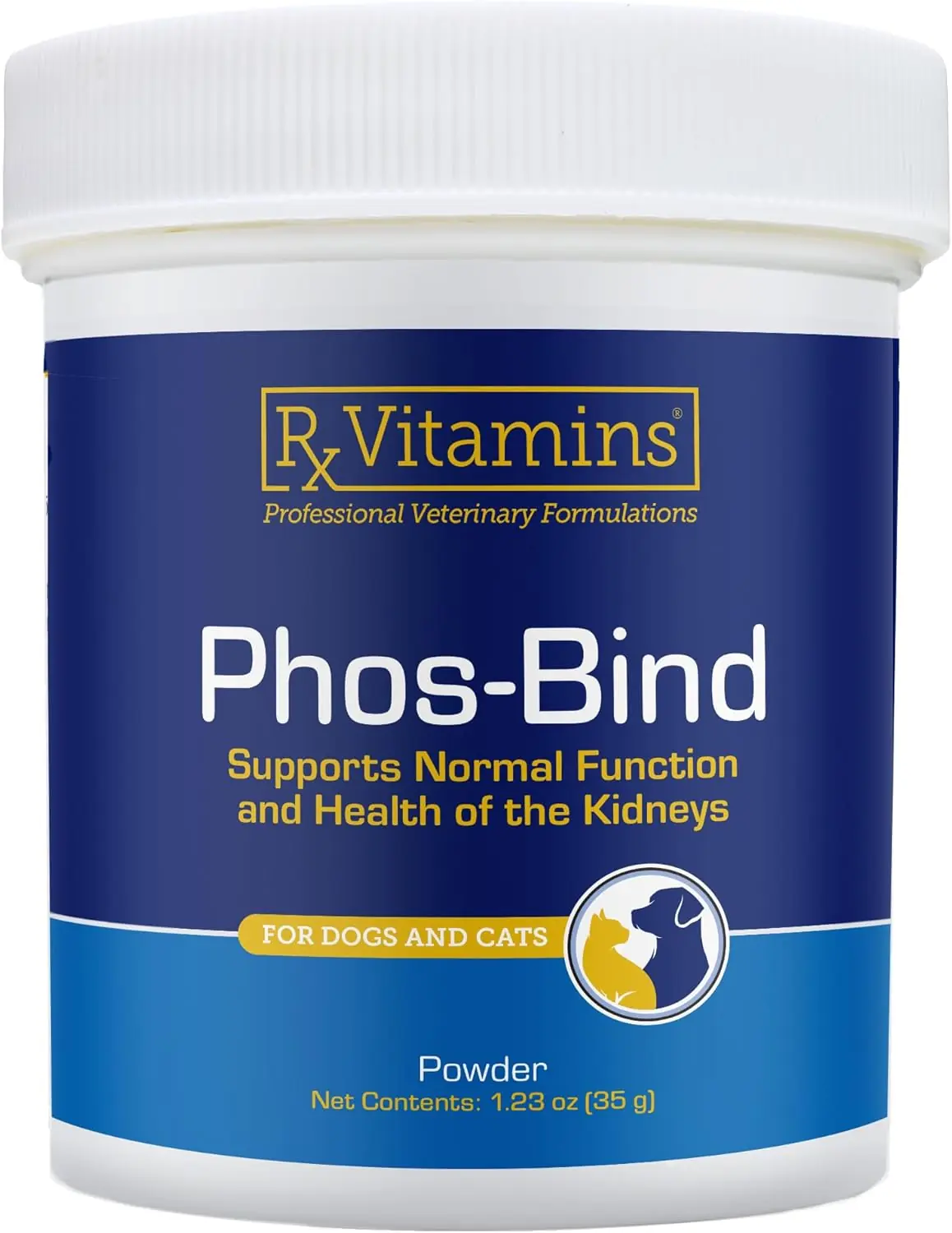
Rx Vitamins Phos-Bind - Kidney Support Supplement Powder
Updated October 25, 2026 | 97 views
Product Overview and Mechanism
What it is Phos-Bind is a powdered phosphate binder containing 100% pure Aluminum Hydroxide. In the management of Chronic Kidney Disease (CKD), high phosphorus levels are toxic and can make cats feel nauseous and lethargic. When a low-phosphorus diet alone isn't enough to lower these levels, veterinarians prescribe a binder.
How it works Aluminum Hydroxide is a "sponge." When mixed with food, it sits in the stomach and binds to the phosphorus in the meat. Instead of entering your cat's bloodstream and damaging the kidneys, the phosphorus is trapped by the aluminum and pooped out safely.
Key Distinction: The "Heavy Hitter" Compared to calcium-based binders (like Epakitin), Phos-Bind is generally considered more potent. It is the gold standard for cats with significantly elevated phosphorus levels (Stage 3–4 CKD) or those who also have high calcium levels (Hypercalcemia) and therefore cannot take calcium-based binders.
Formula and Label Transparency
Active Ingredient
-
Aluminum Hydroxide (USP Grade): 100% pure powder.
Concentration
-
Small Jar (35g): Includes a small scoop (1/4 teaspoon) that equals 250 mg.
-
Large Jar (200g): Includes a larger scoop (1/2 teaspoon) that equals 500 mg.
Inactive Ingredients None. This is a hypoallergenic formula with no flavorings, fillers, or sugar, making it ideal for diabetic cats or those with food allergies.
Dosing Directions & Math Simplified
The "With Food" Rule You must mix this powder into wet food. If you give it on an empty stomach, it has nothing to bind to, rendering it useless.
Standard Dosing Math The label recommendation of "100 mg per kg of body weight" is confusing for many owners. Here is the practical translation for a standard cat:
-
10 lb Cat (~4.5 kg): Needs approx. 450 mg daily.
-
In Scoops: This equals roughly two small scoops (from the 35g jar) or one large scoop (from the 200g jar) per day.
-
Split it: Divide this total amount across all meals. If your cat eats twice a day, put half the dose in breakfast and half in dinner.
Safety Cautions & Drug Interactions
The #1 Side Effect: Constipation Aluminum is an astringent—it sucks moisture out of the gut. Constipation is a very common side effect.
-
Prevention: Many owners proactively add extra water to the food or use a stool softener (like Miralax/PEG 3350) under vet guidance when starting this product.
The "2-Hour Rule" (Drug Interactions) Aluminum Hydroxide is an antacid. It can block the absorption of other life-saving medications.
-
Separate: Do not give Phos-Bind within 2 hours of oral antibiotics (especially tetracyclines or fluoroquinolones) or thyroid medication.
Aluminum Toxicity? While aluminum toxicity is a known risk in humans and dogs, it is clinically rare in cats. However, signs of toxicity (neurological weakness, stumbling) can occur with massive overdoses. Stick to the prescribed dose.
Real-World User Feedback
The Good: "The Numbers Dropper"
-
Efficacy: Users consistently report that this product successfully brings high phosphorus blood values back into the normal range when diet changes fail.
-
Tasteless: Because it is odorless and tasteless, it is much easier to hide in food than gritty or minty medications. Most cats do not notice it if mixed well into pâté.
The Bad: "The Cork"
-
Constipation: The most frequent complaint is that it "corks" the cat. Owners often have to juggle the dosage or add pumpkin/laxatives to keep things moving.
-
Mess: It is a very fine white powder (like powdered sugar). It can create a cloud of dust when scooped, so handle it gently.
Expert Verdict
Bottom Line Rx Vitamins Phos-Bind is the most effective, pure phosphate binder available for feline CKD. If your cat's phosphorus is climbing despite a renal diet, this is the tool you need. It is more potent than Epakitin and safer for cats with high calcium.
Who is this best for?
-
High Phosphorus Cats: Those with levels > 6 mg/dL.
-
Hypercalcemic Cats: Cats who cannot take calcium-based binders.
-
Picky Eaters: The lack of flavor makes it the easiest binder to sneak into food.
Who should avoid this?
-
Severe Constipation: If your cat is already obstipated (blocked), adding aluminum will make it worse. Fix the gut first.
How to trial safely
-
Hydrate: Start adding extra water to your cat's food 3 days before starting the binder.
-
Start Low: Begin with half the calculated dose for the first week to let the gut adjust.
-
Monitor the Box: Watch the litter box daily. If stools become small, dry, or infrequent, consult your vet about adding a stool softener immediately.
References
-
Elliot, J., et al. (2000). Survival of cats with naturally occurring chronic renal failure: effect of dietary management. Journal of Small Animal Practice, 41(6), 235–242.
-
International Renal Interest Society (IRIS). (2023). Treatment Recommendations for CKD in Cats.
-
Kidder, A. C., & Chew, D. (2009). Treatment options for hyperphosphatemia in feline CKD: what's out there? Journal of Feline Medicine and Surgery, 11(11), 913–924.
-
Rx Vitamins for Pets. (n.d.). Phos-Bind Product Data Sheet. Rx Vitamins.
-
Wagner, E., et al. (2004). Effects of a dietary chitosan and calcium supplement on Ca and P metabolism in cats. Berliner und Munchener tierarztliche Wochenschrift, 117(7-8), 310–315.
Disclaimer: This content is for educational purposes only and does not constitute veterinary medical advice. Supplements are not regulated by the FDA to the same standards as pharmaceuticals; "natural" does not mean "safe," and ingredients or potency can vary between batches. Always consult with your primary care veterinarian or a veterinary internal medicine specialist regarding your cat’s specific condition and potential interactions with prescribed medications.