ProductsZesty Paws Wild Alaskan Omega-3 Blend (Pollock + Salmon Oil) (16 fl oz)
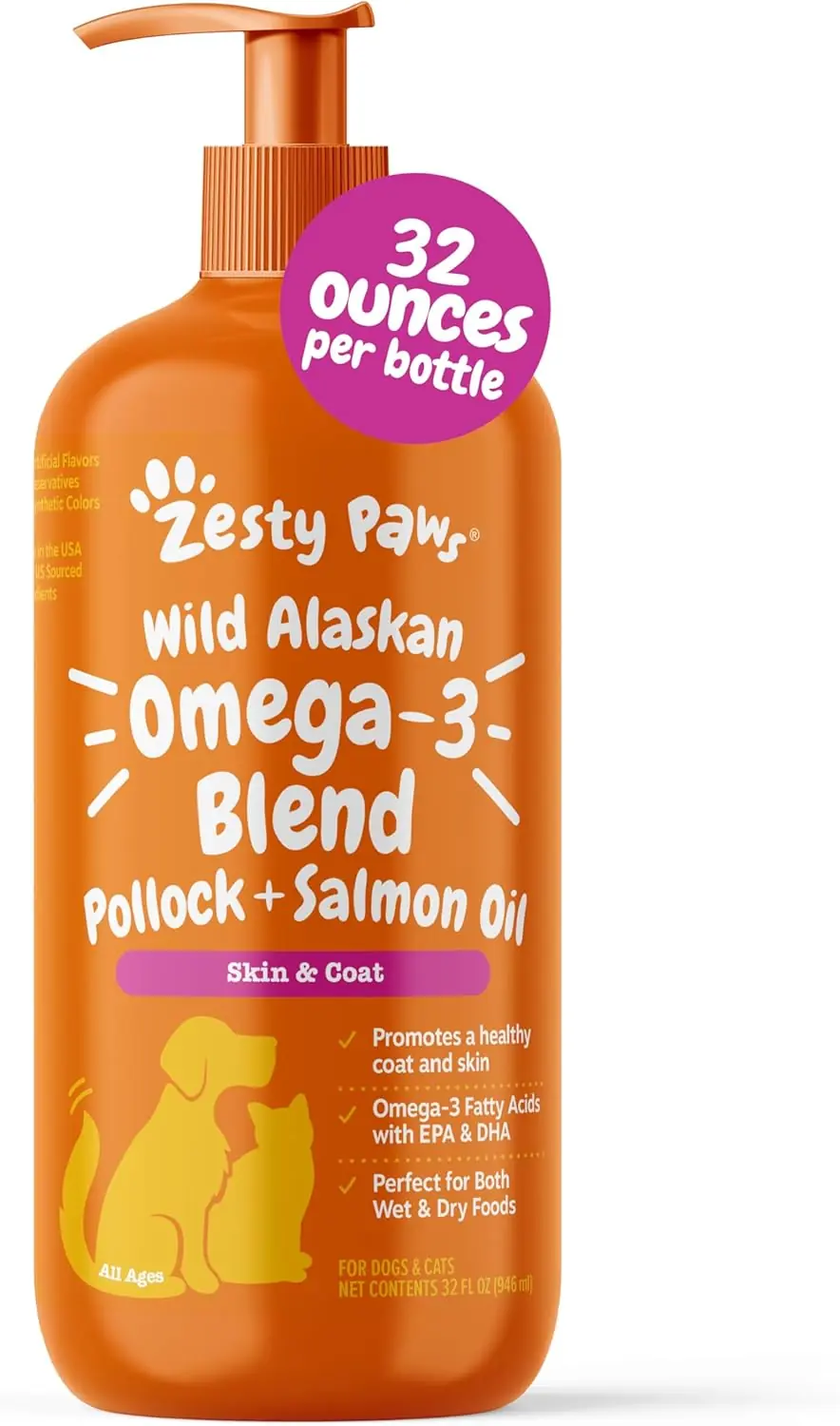
Zesty Paws Wild Alaskan Omega-3 Blend (Pollock + Salmon Oil) (16 fl oz)
Updated October 25, 2026 | 100 views
Product Overview and Mechanism
What it is This is a liquid fish oil supplement delivered via a pump bottle. It is a blend of Wild Alaskan Pollock Oil and Salmon Oil. While marketed broadly for "skin and coat," in the veterinary world, high-quality fish oil is a cornerstone therapeutic for kidney disease.
The CKD Angle: The "Fire Extinguisher" Chronic Kidney Disease is essentially a state of chronic inflammation (nephritis). The kidneys are "on fire," leading to scarring (fibrosis).
-
The Active Agents: The magic ingredients here are EPA (Eicosapentaenoic Acid) and DHA (Docosahexaenoic Acid).
-
How it works: Clinical studies show that EPA acts like a fire extinguisher. It reduces inflammation in the kidney filters (glomeruli), lowers high blood pressure (hypertension) within the kidney itself, and significantly prolongs survival time in CKD cats compared to those not taking Omega-3s.
Formula and Label Transparency
The "Pollock" Advantage Most owners just look for "Salmon Oil." However, this blend uses Alaskan Pollock as the primary ingredient.
-
Sustainability: Pollock is one of the most sustainable fisheries in the world.
-
Purity: Because Pollock are smaller and shorter-lived than Salmon, they typically bio-accumulate fewer heavy metals (mercury) and toxins, making this an exceptionally clean oil for a sick cat.
Concentration
-
EPA/DHA Levels: This formula is potent. A single teaspoon (approx. 1 pump) delivers a high load of Omega-3s.
-
Source: It uses "AlaskOmega®," a branded, traceable oil source, which guarantees it is truly wild-caught and not farmed (farmed fish often have lower Omega-3 levels and higher pro-inflammatory Omega-6s).
Dosing Directions & The "Pump" Problem
The Challenge: "One Pump" is Too Much The bottle is designed for dogs. One full pump is typically dosed for a 20+ lb animal.
-
The CKD Cat Dose: Most vets recommend roughly 300–500 mg of combined EPA/DHA daily for a standard CKD cat.
-
Adjustment: For a 10 lb cat, a full pump of this oil might be an overdose of fat (causing diarrhea). You likely need half a pump.
-
Tip: Do not pump directly onto food. Pump into a spoon first to measure, or buy a separate oral syringe to draw up exactly 1 ml.
Palatability Strategy
-
The Smell: It has a very strong, authentic fish smell.
-
Feeding: For appetite-challenged CKD cats, this can actually work as an appetite stimulant. Drizzling a few drops over a bland prescription kidney diet can trick the cat into eating.
Safety Cautions & Clinical Nuance
The "Rancidity" Clock Fish oil oxidizes (rots) instantly upon contact with air. Rancid oil is pro-inflammatory and will hurt your cat's kidneys rather than help them.
-
Storage Rule: You must keep this bottle in the refrigerator after opening.
-
Expiration: Throw it away 90 days after opening, even if the bottle is half full. Do not buy the massive 32oz bottle for a single cat; it will go bad before you finish it. Buy the smallest size (8oz or 16oz).
Pancreatitis Risk CKD cats often have sensitive pancreases. Fish oil is 100% fat. If your cat vomits or has greasy loose stools after starting this, stop immediately. You may need a lower dose or a powder alternative.
Bleeding Risk High-dose Omega-3s act as mild blood thinners.
-
Surgery: Stop this supplement 1 week before any dental cleaning or surgery.
Real-World User Feedback
The Good: "The Velvet Coat"
-
Visible Results: Within 3–4 weeks, owners consistently report that their cat's dandruff disappears and their coat becomes incredibly soft ("like velvet"). This external change often mirrors the internal reduction in inflammation.
-
Mobility: Because it lowers inflammation in joints, older CKD cats with arthritis often start jumping on counters again.
The Bad: The Leaky Pump
-
The Bottle Defect: The #1 complaint with Zesty Paws (and most fish oil brands) is the pump mechanism. It is notorious for dripping oil down the side of the bottle, creating a sticky, fishy ring on your counter or fridge shelf.
-
Fix: Put the bottle on a paper towel or small saucer in the fridge.
Expert Verdict
Bottom Line Zesty Paws Wild Alaskan Blend is a high-value, high-purity therapeutic oil. The inclusion of Pollock makes it cleaner than many pure salmon oils. It is an excellent choice for Stage 2–3 CKD cats to help slow progression and improve appetite.
Who is this best for?
-
The "Dry" Cat: Cats with flaky skin/dandruff.
-
The Picky Eater: Use the strong scent to mask the taste of medicines or bland food.
-
Arthritic Seniors: Cats who need joint support + kidney support in one dose.
Who should avoid this?
-
The "Vomiter": Cats with a history of pancreatitis or IBD who cannot tolerate high fat.
-
Single-Cat Owners (Buying 32oz): Do NOT buy the 32oz size for one cat. It will go rancid. Buy the 8oz bottle.
References
-
Brown, S. A., et al. (1998). Beneficial effects of chronic administration of dietary omega-3 polyunsaturated fatty acids in dogs with renal insufficiency. Journal of Laboratory and Clinical Medicine, 131(5), 447–455.
-
Lenox, C. E., & Bauer, J. E. (2013). Potential adverse effects of omega-3 fatty acids in dogs and cats. Journal of Veterinary Internal Medicine, 27(2), 217–226.
-
Plantinga, E. A., et al. (2005). Retrospective study of the survival of cats with acquired chronic renal insufficiency offered different commercial diets. Veterinary Record, 157(7), 185–187.
-
Plotnick, A. (2008). Feline Chronic Kidney Disease. Manhattan Cat Specialists.
-
Zesty Paws. (n.d.). Wild Alaskan Pollock & Salmon Oil Blend Technical Analysis.
Disclaimer: This content is for educational purposes only and does not constitute veterinary medical advice. Supplements are not regulated by the FDA to the same standards as pharmaceuticals; "natural" does not mean "safe," and ingredients or potency can vary between batches. Always consult with your primary care veterinarian or a veterinary internal medicine specialist regarding your cat’s specific condition and potential interactions with prescribed medications.