ProductsMultifunctional Baby & Pet Scale
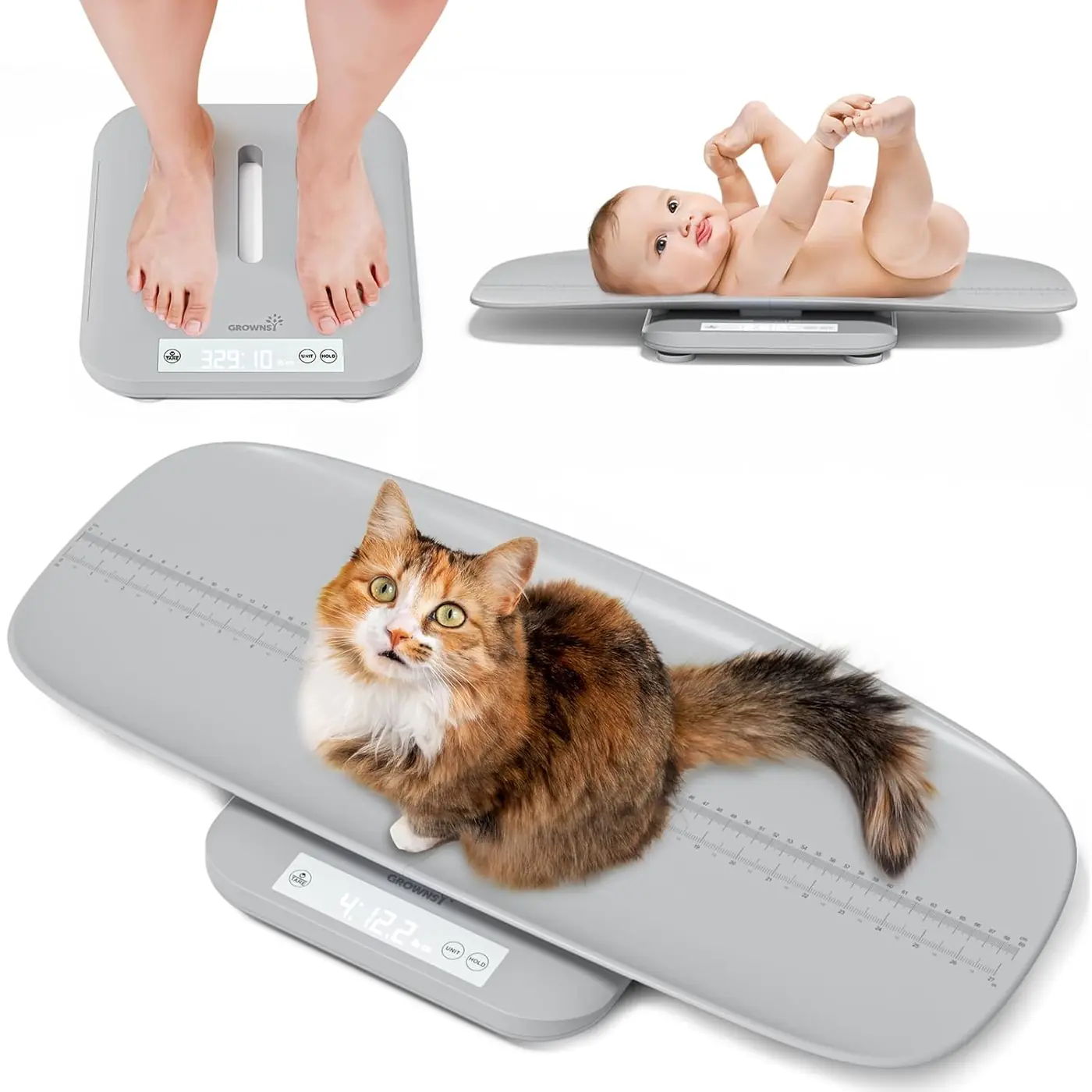
Multifunctional Baby & Pet Scale
Updated October 25, 2026 | 57 views
Product Overview and Mechanism
What it is This is a "hybrid" digital scale designed to grow with a household. It features a detachable curved tray that locks onto a standard floor scale base.
-
The Design: It is essentially two products in one. With the tray attached, it is a safe cradle for weighing a cat (or baby). Remove the tray, and it becomes a standard bathroom scale for adults (capacity up to 330 lbs).
-
The "Hold" Tech: It uses an algorithmic "Hold" function that calculates the average weight of a moving subject and locks the number on the screen, so you don't have to chase a fluctuating display while your cat wiggles.
The CKD Angle: The "Trend Line" Monitor
For a healthy cat, you weigh them once a year at the vet. For a CKD cat, this device is a daily medical necessity.
1. Catching Cachexia (The "Silent" Weight Loss) Muscle wasting (cachexia) is the hallmark of Stage 3-4 CKD. It happens slowly, ounces at a time.
-
The Diagnostic Value: By the time you see your cat looks skinny, they have likely already lost 15% of their body weight. This scale reads in 0.01 lb (5g) increments (for weights under 44 lbs).
-
The Benefit: This precision allows you to spot a 0.2 lb drop this week and adjust their calories or medications immediately, rather than waiting for the next vet visit.
2. Fluid Therapy Safety (SubQ Fluids) If you are administering subcutaneous fluids at home, weighing your cat is critical to prevent "Fluid Overload."
-
The Routine: You weigh the cat before fluids and after.
-
Heart Safety: If your cat gains weight rapidly over 2 days and doesn't lose it, they are retaining fluid. This is dangerous for the heart. This scale is sensitive enough to track those fluid shifts.
Key Features for the Medical Cat
1. The "Hold" Button (The MVP Feature) CKD cats are often grumpy or anxious. They will not sit still.
-
How it works: You press "Hold," put the cat on, and even if they try to walk off, the scale locks the weight. You can pick the cat up and then read the number. This reduces stress significantly because you don't have to force them to "freeze."
2. The Curved Tray (Security)
-
Ergonomics: Unlike flat kitchen scales, this has raised edges. Sick cats feel vulnerable; the "cradle" shape makes them feel slightly more enclosed and secure, reducing the urge to bolt.
-
Length: The tray is approx. 24 inches long. This fits most standard cats comfortably. (Note: A large Maine Coon might feel cramped).
3. The Tare Function
-
Comfort Strategy: You can place a warm towel or their favorite blanket on the tray, press "Tare" to zero it out, and then place the cat on the warm fabric. This is crucial for CKD cats who are chronically cold and hate cold plastic surfaces.
Pros & Cons
The Good
-
High Capacity: unlike "kitchen scales" that max out at 15 lbs, this goes up to 330 lbs. You never have to worry about an "Error" message if you have a heavy cat (or a small dog).
-
Stabilization: The base is wide and tip-proof, so if the cat steps on the edge, it won't flip over (a common issue with smaller scales).
-
Blue Backlight: easy to read in a dim room if you are checking weight early in the morning without waking the house.
The Bad
-
Storage Footprint: It is big. The tray makes it bulky to store in a closet. It doesn't fold.
-
Assembly: The tray comes in two halves that snap together. Once assembled, it is sturdy, but taking it apart repeatedly to store it is annoying.
Expert Verdict
Bottom Line The Multifunctional Baby & Pet Scale is a fantastic investment for the "Hospice" phase of CKD. The ability to track weight trends down to the ounce allows you to be proactive rather than reactive. The "Hold" function alone is worth the price for the stress it saves you during daily weigh-ins.
Who is this best for?
-
The "SubQ" User: Owners giving fluids who need to ensure the body is absorbing the water properly.
-
The Anxious Cat: The quick "lock" speed means the cat only needs to be on the scale for 2–3 seconds.
Who should avoid this?
-
Tiny Apartments: If you have absolutely no floor space, a smaller kitchen scale with a wicker basket glued to it is a smaller (though less accurate) hack.
-
The "Mega" Cat: If your cat is longer than 24 inches (nose to tail base), they might have to crouch to fit.
Recommendation Set the scale up in a permanent spot (like a guest bathroom) with a towel on it. Drop a treat on the scale every day so the cat learns to associate it with snacks, not vet visits.